How do Mallorca's political parties differ in their views on tourism and development?
Similar Topics
mallorca tourism
tourism development
sustainable tourism
ma-19 road
tramuntana mountains
sobrassada
binissalem wine
tib bus network
In recent years, debates around tourism and development have become more prominent across the island, especially as visitor numbers have begun to stabilize after previous rapid growth. Some parties focus on boosting the economy by expanding tourism infrastructure, supporting projects along the Ma-19 corridor near Palma and new hotel developments in bustling areas like Alcudia and Magaluf. These groups often emphasize job creation and the benefits of attracting international visitors, advocating for improvements in transport links such as enhancing the TIB bus networks and upgrading access roads like the Ma-13 through the Serra de Tramuntana.
Conversely, other political voices prioritize protecting Mallorca’s unique natural landscapes and cultural heritage. They promote more sustainable tourism models that respect areas like Cala Mondrago and the delicate sand dunes of Es Trenc, resisting large-scale resort expansion that could threaten local ecosystems. These parties often champion small-scale, community-led initiatives and encourage visitors to explore inland towns like Valldemossa and Deià, where traditional cuisine—pa amb oli or sobrassada—and island festivals like Festa de l'Ametler keep heritage alive.
This divide reflects broader concerns among residents about maintaining quality of life and preserving the island’s identity. While economic renewal through tourism remains important, growing emphasis on green tourism and responsible development has influenced policy discussions. Engagement with local wineries near Binissalem and support for artisanal events also reveal attempts to diversify the tourism offer beyond the typical sun-and-beach experience. Ultimately, the political landscape on Mallorca shapes how the island balances growth with conservation, striving to meet the needs of both visitors and locals.
Conversely, other political voices prioritize protecting Mallorca’s unique natural landscapes and cultural heritage. They promote more sustainable tourism models that respect areas like Cala Mondrago and the delicate sand dunes of Es Trenc, resisting large-scale resort expansion that could threaten local ecosystems. These parties often champion small-scale, community-led initiatives and encourage visitors to explore inland towns like Valldemossa and Deià, where traditional cuisine—pa amb oli or sobrassada—and island festivals like Festa de l'Ametler keep heritage alive.
This divide reflects broader concerns among residents about maintaining quality of life and preserving the island’s identity. While economic renewal through tourism remains important, growing emphasis on green tourism and responsible development has influenced policy discussions. Engagement with local wineries near Binissalem and support for artisanal events also reveal attempts to diversify the tourism offer beyond the typical sun-and-beach experience. Ultimately, the political landscape on Mallorca shapes how the island balances growth with conservation, striving to meet the needs of both visitors and locals.
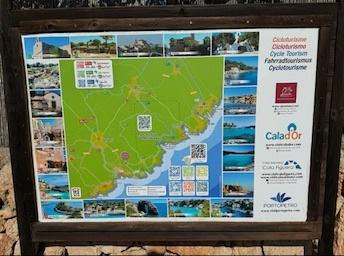
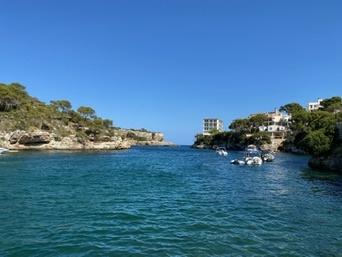
Cala Figuera
More Fotos