How have the Aleppo pines shaped the cultural identity of Mallorca?
- Mallorca
- Aleppo pines
- Cultural identity
- Mediterranean
- Sustainable agriculture
- Local customs
- Environmental health
- Mallorca travel
- Rural areas
- Community spirit
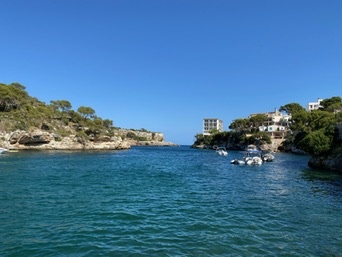
The Aleppo pines, native to the Mediterranean region, have profoundly influenced the cultural identity of Mallorca, shaping both its landscape and its traditions. These majestic trees, with their distinctive twisted trunks and dense canopies, are a defining feature of the island’s rural and coastal areas. They provide a backdrop to the picturesque villages and serene beaches, creating a unique ambiance that draws visitors from around the world. The islanders have long recognized the value of these pines, not only for their aesthetic appeal but also for their role in sustainable agriculture and forest management, which are vital to Mallorca's economy and environmental health.
Moreover, the Aleppo pines are intertwined with local customs and festivities. In many traditional celebrations, the trees serve as gathering points, where community members come together to honor their heritage and enjoy seasonal festivities. The scent of pine resin fills the air during these events, evoking a sense of nostalgia and connection to the island's past. This bond with nature extends to art and literature as well, where the pines inspire local artists and writers to express their love for Mallorca's natural beauty, further embedding the trees into the island's cultural narrative.
The ecological importance of Aleppo pines cannot be overstated, as they play a crucial role in combating soil erosion and supporting local wildlife. Efforts to preserve and restore these forests reflect a growing awareness of environmental issues among the Mallorcan people, reinforcing their commitment to protecting the island’s unique landscapes. As you explore Mallorca, you'll find that the Aleppo pines are more than just trees; they are symbols of resilience and community spirit, embodying the essence of island life and the deep connection between the people and their environment.