How has tourism evolved in Mallorca since it became a popular destination?
Similar Topics
Mallorca tourism
sustainable tourism
Mallorca beaches
cultural heritage Mallorca
Mallorca travel experiences
affordable air travel
Mallorca hiking
wellness retreats Mallorca
cycling tours Mallorca
local markets Mallorca
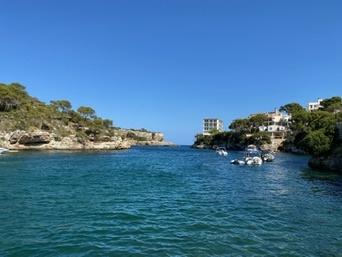
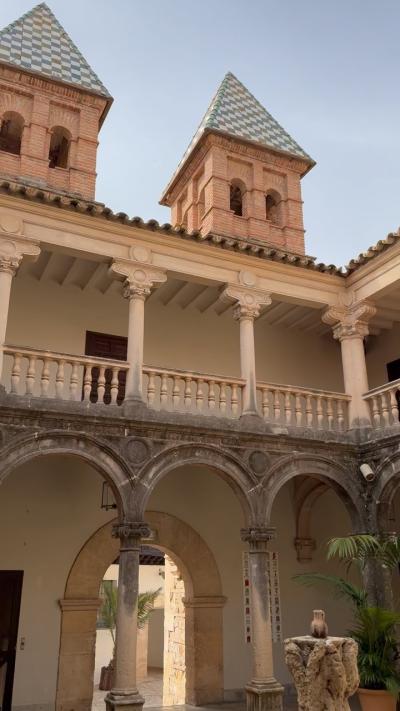
Tourism in Mallorca has undergone a remarkable transformation since it first became a popular destination in the mid-20th century. Initially, the island attracted a modest number of visitors drawn by its stunning landscapes, mild climate, and rich cultural heritage. The post-war era saw a surge in tourism as affordable air travel became more accessible, leading to a rapid increase in hotel developments and infrastructure. This boom brought with it a wave of international visitors, particularly from Europe, eager to explore the island's picturesque beaches, charming villages, and historical sites.
As tourism flourished, Mallorca faced both opportunities and challenges. The island's economy became increasingly reliant on the tourism sector, which spurred growth but also raised concerns about the environmental impact and the preservation of local culture. In recent years, there has been a concerted effort to promote sustainable tourism practices. This includes initiatives to protect the natural landscapes and support local businesses, ensuring that the charm of Mallorca remains intact. Travelers today seek not only the sun and sea but also authentic experiences, such as culinary tours, hiking in the Tramuntana mountains, and exploring the vibrant local markets.
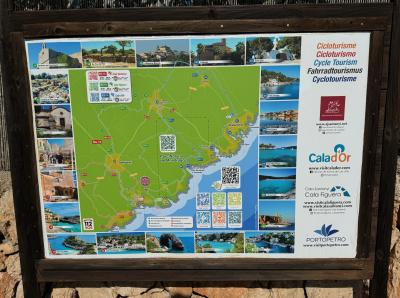
The evolution of tourism in Mallorca has also led to diversification in the types of experiences available. Beyond the traditional beach vacations, visitors now find a range of options, from wellness retreats and cycling tours to cultural festivals and wine tastings. This shift reflects a growing trend where travelers prioritize experiences that connect them to the local way of life. As Mallorca continues to adapt to the changing demands of tourists, it remains a destination that offers both relaxation and a deeper appreciation of its rich heritage and stunning natural beauty.
As tourism flourished, Mallorca faced both opportunities and challenges. The island's economy became increasingly reliant on the tourism sector, which spurred growth but also raised concerns about the environmental impact and the preservation of local culture. In recent years, there has been a concerted effort to promote sustainable tourism practices. This includes initiatives to protect the natural landscapes and support local businesses, ensuring that the charm of Mallorca remains intact. Travelers today seek not only the sun and sea but also authentic experiences, such as culinary tours, hiking in the Tramuntana mountains, and exploring the vibrant local markets.
The evolution of tourism in Mallorca has also led to diversification in the types of experiences available. Beyond the traditional beach vacations, visitors now find a range of options, from wellness retreats and cycling tours to cultural festivals and wine tastings. This shift reflects a growing trend where travelers prioritize experiences that connect them to the local way of life. As Mallorca continues to adapt to the changing demands of tourists, it remains a destination that offers both relaxation and a deeper appreciation of its rich heritage and stunning natural beauty.
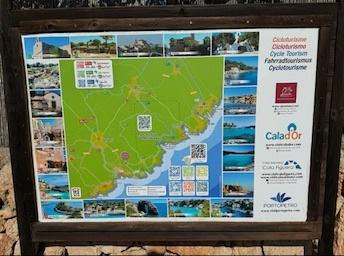
Cala Figuera
More Fotos