What role did tourism play in the evolution of Mallorca's economy following the agricultural shift?
Similar Topics
Mallorca tourism
Mallorca economy
sustainable tourism
Mallorca beaches
cultural heritage Mallorca
tourism job creation
package holidays Mallorca
Mallorca travel tips
Mallorca tourism industry
Mallorca public services
Tourism has significantly transformed Mallorca's economy, especially following the decline of its traditional agricultural base. In the mid-20th century, as agricultural practices became less economically viable, Mallorca began to embrace its natural beauty and cultural heritage as a means to attract visitors. This shift was marked by the development of infrastructure, including hotels, restaurants, and transportation networks, which catered to the growing influx of tourists seeking sun, sea, and a taste of the island's rich history. The introduction of package holidays in the 1960s and 1970s further propelled this growth, making it easier for visitors from across Europe to explore the island.
The burgeoning tourism industry not only provided a new source of income for locals but also spurred job creation in various sectors, including hospitality, retail, and services. As more tourists flocked to Mallorca, local businesses flourished, and the economy diversified beyond agriculture. This shift allowed many residents to find employment in tourism-related fields, which in turn led to improvements in living standards and increased investment in public services. However, the reliance on tourism also posed challenges, such as seasonal fluctuations in employment and the need for sustainable practices to protect the island's environment and cultural integrity.
Today, Mallorca's economy is heavily intertwined with tourism, contributing significantly to its GDP and employment rates. While the island continues to be a prime destination for beachgoers and culture enthusiasts alike, efforts are now being made to promote sustainable tourism that respects the natural landscape and local communities. This evolution illustrates how tourism has not only reshaped Mallorca's economic landscape but has also sparked a broader conversation about balancing growth with preservation, ensuring that the island can thrive for generations to come.
The burgeoning tourism industry not only provided a new source of income for locals but also spurred job creation in various sectors, including hospitality, retail, and services. As more tourists flocked to Mallorca, local businesses flourished, and the economy diversified beyond agriculture. This shift allowed many residents to find employment in tourism-related fields, which in turn led to improvements in living standards and increased investment in public services. However, the reliance on tourism also posed challenges, such as seasonal fluctuations in employment and the need for sustainable practices to protect the island's environment and cultural integrity.
Today, Mallorca's economy is heavily intertwined with tourism, contributing significantly to its GDP and employment rates. While the island continues to be a prime destination for beachgoers and culture enthusiasts alike, efforts are now being made to promote sustainable tourism that respects the natural landscape and local communities. This evolution illustrates how tourism has not only reshaped Mallorca's economic landscape but has also sparked a broader conversation about balancing growth with preservation, ensuring that the island can thrive for generations to come.
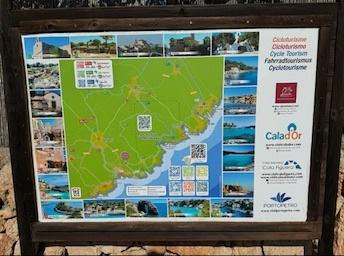
Cala Figuera
More Fotos