How does the language spoken in Mallorca reflect its cultural identity?
Similar Topics
mallorca language
mallorquí dialect
catalan culture
local traditions
oral history
sant sebastia
sobrassada
mallorca festivals
Listen closely to the melodic blend of voices in a Palma café or a village market in Valldemossa, and the island's unique linguistic heritage reveals itself. Catalan, locally called Mallorquí, is spoken alongside Castilian Spanish, entwining centuries of history in every conversation. This bilingual dynamic echoes Mallorca’s blend of island tradition and mainland influence, with Mallorquí carrying words and phrases shaped by its Mediterranean surroundings and past rulers — from Roman to Moorish to Catalan origins.
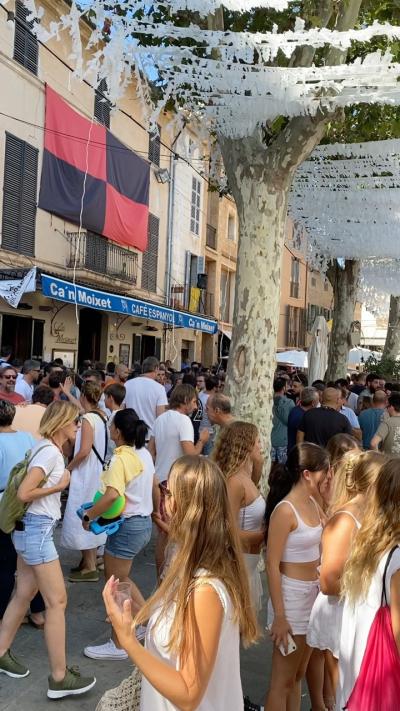
Language here is far more than a means of communication; it’s woven into daily life and cherished customs. Elders in Pollenca might narrate tales in Mallorquí, preserving oral histories just as farmers recite folk songs at local festas like Sant Sebastià. Even simple expressions, like the warm greeting “Bon dia” or the affectionate “Ai que bo!” add texture to everyday exchanges. Markets brim with calls for products like sobrassada or ensaimada, linking language directly to the island’s rich culinary traditions.
At seasonal events such as the Festa de l’Ametler, language blends with music and dance, reinforcing community identity and continuity across generations. The coexistence of Catalan and Castilian mirrors a society that values both rootedness and openness. Visitors who make the effort to learn a few words or phrases often find themselves welcomed more warmly, gaining insight into Mallorca’s soul through its spoken word. The island’s language is thus a living archive, offering a subtle yet intimate window into its culture and people.
Language here is far more than a means of communication; it’s woven into daily life and cherished customs. Elders in Pollenca might narrate tales in Mallorquí, preserving oral histories just as farmers recite folk songs at local festas like Sant Sebastià. Even simple expressions, like the warm greeting “Bon dia” or the affectionate “Ai que bo!” add texture to everyday exchanges. Markets brim with calls for products like sobrassada or ensaimada, linking language directly to the island’s rich culinary traditions.
At seasonal events such as the Festa de l’Ametler, language blends with music and dance, reinforcing community identity and continuity across generations. The coexistence of Catalan and Castilian mirrors a society that values both rootedness and openness. Visitors who make the effort to learn a few words or phrases often find themselves welcomed more warmly, gaining insight into Mallorca’s soul through its spoken word. The island’s language is thus a living archive, offering a subtle yet intimate window into its culture and people.

Cala Figuera
More Fotos