How do locals celebrate Mallorca's traditional festivals, and are tourists welcome to join?
Similar Topics
mallorca festivals
sant sebastia
nit de foc
festa de l'ametler
tramuntana celebrations
pan amb oli
binissalem wine
cultural events
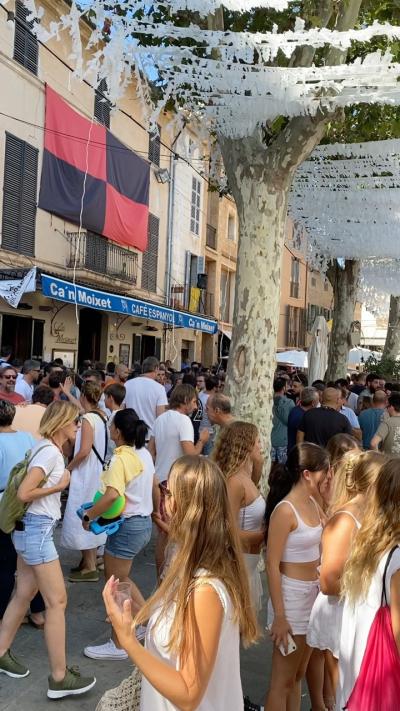
In towns across the island, festival celebrations are very much community affairs, rooted in centuries-old customs that have adapted gracefully over time. In Palma, for example, the Sant Sebastià festival lights up the streets every January with live music, street parties, and traditional dances, firmly blending the old with the new. Along the Tramuntana, villages like Sóller and Valldemossa mark the Festa de l'Ametler with almond blossom-themed events, folk music, and local food stalls, showcasing the region's intimate connection to its natural cycles. On July nights, the fiery spectacle of Nit de Foc takes over the north coast, with Alcúdia and Pollença hosting processions and fireworks that reflect the islanders’ deep respect for tradition and fire’s symbolic power.
Visitors are not only welcome but encouraged to join the fun, provided they approach with openness and respect. At public events, tourists often find themselves dancing alongside locals in the main squares or savoring pan amb oli topped with sobrassada as part of communal celebrations. Participating in these moments offers a rare glimpse beneath the surface of Mallorca’s vibrant social fabric. It’s wise to keep in mind local etiquette—such as punctuality for market fairs or mindfulness during religious processions—to show appreciation for the island’s heritage.
For those wanting a more immersive experience, events often feature workshops or tastings, especially in towns like Manacor, where you can learn about traditional crafts or sample regional specialties like tumbet alongside Binissalem wine or the herbal notes of Hierbas. Whether you’re joining the dancing in Deia, watching a fiery parade in Alcúdia, or simply soaking up the atmosphere at a week-long festa in Pollença, embracing these acclaimed cultural festivities means engaging with Mallorca’s soul in a lively, heartfelt way.
Visitors are not only welcome but encouraged to join the fun, provided they approach with openness and respect. At public events, tourists often find themselves dancing alongside locals in the main squares or savoring pan amb oli topped with sobrassada as part of communal celebrations. Participating in these moments offers a rare glimpse beneath the surface of Mallorca’s vibrant social fabric. It’s wise to keep in mind local etiquette—such as punctuality for market fairs or mindfulness during religious processions—to show appreciation for the island’s heritage.
For those wanting a more immersive experience, events often feature workshops or tastings, especially in towns like Manacor, where you can learn about traditional crafts or sample regional specialties like tumbet alongside Binissalem wine or the herbal notes of Hierbas. Whether you’re joining the dancing in Deia, watching a fiery parade in Alcúdia, or simply soaking up the atmosphere at a week-long festa in Pollença, embracing these acclaimed cultural festivities means engaging with Mallorca’s soul in a lively, heartfelt way.

Cala Figuera
More Fotos