Which are the best beaches around Mallorca for snorkeling and discovering marine life?
Similar Topics
mallorca snorkeling
cala mondrago
formentor beach
cabrera marine reserve
es trenc snorkeling
tramuntana coast
alcudia snorkeling
mallorca marine life
Many first-timers believe Mallorca’s beaches are simply about sunbathing and partying, but the island’s coastline also offers some surprisingly rich underwater environments. Along the southeast, spots like Cala Mondragó and Cala Llombards boast crystal-clear waters that reveal rocky seabeds and small reefs, ideal for beginners eager to glimpse colorful fish and sea urchins. The gently sloping coves provide calm, sheltered conditions perfect for an introductory snorkeling experience.
Further north, the Formentor peninsula shelters quieter coves where the clarity of the water and vibrant underwater life reward those who venture below the surface. If you prefer something wilder, the marine reserve around the Cabrera archipelago, accessible by boat from Palma, is a true haven of Mediterranean marine biodiversity, with seahorses, octopuses, and schools of fish often sighted in its protected waters. These spots offer a chance to explore seagrass meadows and rocky outcrops that support a remarkable variety of species.
For convenience, the TIB bus network connects many of the snorkeling beaches, such as Es Trenc in the south, known for its natural sandy stretches and shallow waters. Whether you're snorkeling near the Tramuntana coast or in the coves around Alcudia and Pollenca, the region tends to favor crystal-clear water and abundant marine life rather than coral reefs, making a mask and fins the perfect companions to uncover the island’s underwater charm.
Further north, the Formentor peninsula shelters quieter coves where the clarity of the water and vibrant underwater life reward those who venture below the surface. If you prefer something wilder, the marine reserve around the Cabrera archipelago, accessible by boat from Palma, is a true haven of Mediterranean marine biodiversity, with seahorses, octopuses, and schools of fish often sighted in its protected waters. These spots offer a chance to explore seagrass meadows and rocky outcrops that support a remarkable variety of species.
For convenience, the TIB bus network connects many of the snorkeling beaches, such as Es Trenc in the south, known for its natural sandy stretches and shallow waters. Whether you're snorkeling near the Tramuntana coast or in the coves around Alcudia and Pollenca, the region tends to favor crystal-clear water and abundant marine life rather than coral reefs, making a mask and fins the perfect companions to uncover the island’s underwater charm.
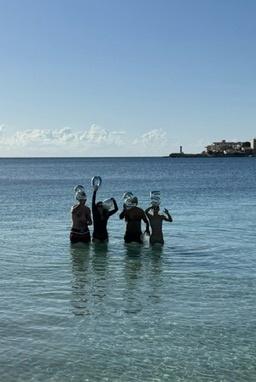
Colònia de Sant Jordi
More Fotos






