How does sangria vary across different parts of Mallorca?
Similar Topics
mallorca sangria
binissalem wine
hierbas spirit
serra de tramuntana
es trenc sangria
cala mondrago
local mallorca drinks
pollença festivals
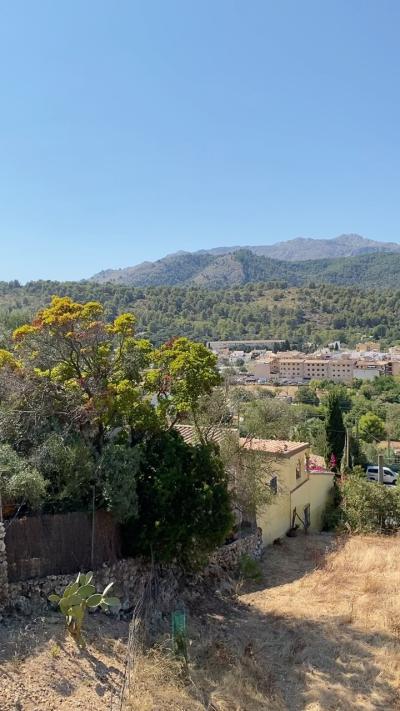
A subtle touch often noticed in local sangria is the use of island-grown citrus, which lends a fresh brightness distinctive to versions enjoyed in places like Palma and Sóller. In the towns along the Serra de Tramuntana, it’s common for sangria to incorporate locally produced red wine, such as those from the Binissalem region, combined with traditional fruits like oranges, lemons, and sometimes pomegranates from the valleys. A splash of Hierbas or Palo, Mallorca’s unmistakable herbal spirits, often replaces the typical brandy or other liqueurs, providing a fragrant twist rooted in the island’s own distilling traditions.
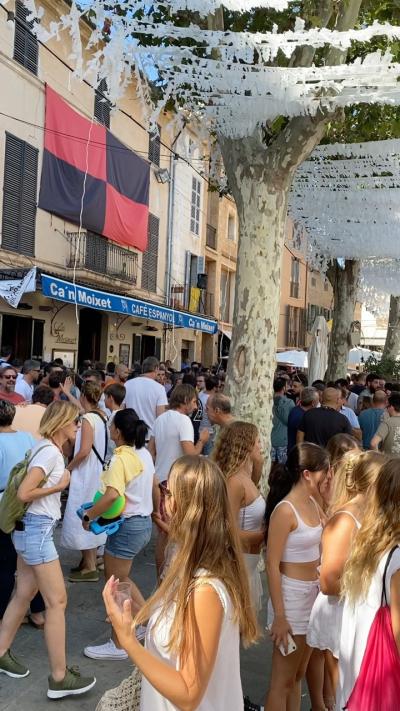
On the southern coast, near beach resorts like Cala Mondragó or Es Trenc, lighter sangrias sometimes lean into rosé or even white wines, echoing the region’s sunny, seaside atmosphere. These versions emphasize crisp, refreshing flavors, often with festive touches of local honey or sprigs of mint picked from garden terraces. Meanwhile, in festive towns such as Pollença or Alcúdia during events like Sant Sebastià or Nit de Foc, sangria recipes can grow more robust and spicy, incorporating cinnamon or cloves to add warmth alongside the fresh fruit.
Across the island, sangria is as much about the convivial spirit as the ingredients. Whether shared at a shaded table in Valldemossa or after a day exploring the Ma-13 winding through the Tramuntana, each glass reflects Mallorca’s landscape and heritage. Sampling sangria here is an invitation to taste the island’s rhythms, where each village and coastline leaves its own delicious imprint.
On the southern coast, near beach resorts like Cala Mondragó or Es Trenc, lighter sangrias sometimes lean into rosé or even white wines, echoing the region’s sunny, seaside atmosphere. These versions emphasize crisp, refreshing flavors, often with festive touches of local honey or sprigs of mint picked from garden terraces. Meanwhile, in festive towns such as Pollença or Alcúdia during events like Sant Sebastià or Nit de Foc, sangria recipes can grow more robust and spicy, incorporating cinnamon or cloves to add warmth alongside the fresh fruit.
Across the island, sangria is as much about the convivial spirit as the ingredients. Whether shared at a shaded table in Valldemossa or after a day exploring the Ma-13 winding through the Tramuntana, each glass reflects Mallorca’s landscape and heritage. Sampling sangria here is an invitation to taste the island’s rhythms, where each village and coastline leaves its own delicious imprint.
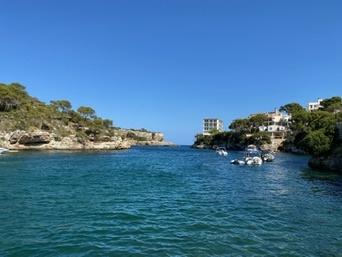
Cala Figuera
More Fotos