How does Posidonia seaweed impact Mallorca's local economy and environment?
Similar Topics
posidonia oceanica
mallorca beaches
es trenc
local economy
sustainable tourism
marine ecosystem
alcudia fishing
ecotourism mallorca
Posidonia oceanica, the underwater seagrass meadows found along Mallorca's coastline, is crucial both ecologically and economically. These dense marine meadows play a vital role in protecting the island's beaches from erosion, particularly around pristine areas such as Es Trenc and Formentor. Their presence helps maintain the clear, turquoise waters that attract visitors to beaches like Cala Mondrago and Cala Llombards, supporting the local tourism industry by preserving the natural beauty that tourists come to enjoy.
Beyond its environmental significance, Posidonia contributes indirectly to industries ranging from fishing to sustainable aquaculture. Fishermen around coastal towns like Alcudia and Pollenca depend on healthy seagrass beds as breeding grounds for various fish species. Local initiatives often emphasize protecting these underwater meadows to ensure future yields and maintain biodiversity. Additionally, some scientific projects on the island explore harvesting detached Posidonia strands, which are sometimes used to produce eco-friendly products or as material for traditional crafts, reflecting a blend of heritage with sustainable use.
The awareness around Posidonia’s importance has also fostered educational ecotourism in places like Palma and Valldemossa, where guided boat tours and diving excursions teach visitors about this underwater ecosystem’s role. Protecting Posidonia is a shared priority among the island’s communities, as it underpins everything from water quality to heritage gastronomy, where ingredients such as sobrassada and ensaimada are enjoyed against the backdrop of protected landscapes. The seagrass’s health, ultimately, sustains the economic and environmental balance desired by locals and visitors alike.
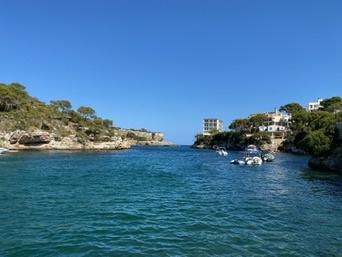
Cala Figuera
More Fotos