How does the geography of Mallorca influence its climate?
Similar Topics
Mallorca geography
Mallorca climate
Serra de Tramuntana
Mediterranean climate
Mallorca travel
beaches in Mallorca
outdoor activities Mallorca
Mallorca rainfall
coastal regions Mallorca
Mallorca flora and fauna
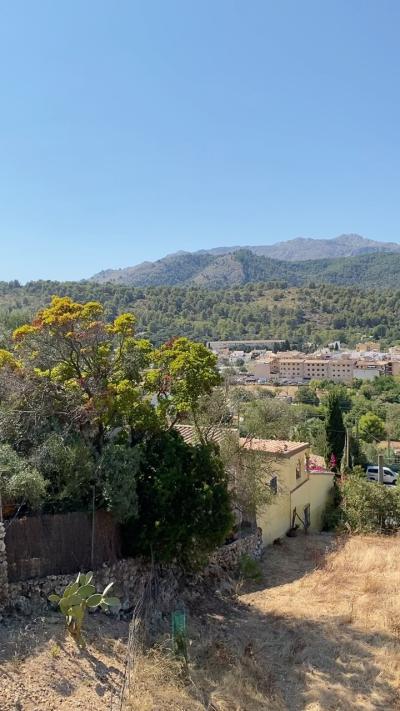
Mallorca, the largest of Spain's Balearic Islands, boasts a diverse geography that significantly influences its climate. The island is characterized by a mountainous interior, particularly the Serra de Tramuntana range, which runs along its northwest coast. These mountains act as a natural barrier, affecting the distribution of rainfall across the island. The northern and western regions tend to receive more precipitation due to orographic lift, where moist air rises and cools, causing clouds to condense and release rain. This results in lush vegetation and a more temperate climate in these areas, contrasting sharply with the drier, sunnier southern and eastern parts of the island.
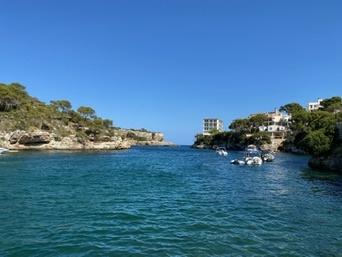
The lower elevations and coastal areas of Mallorca experience a typical Mediterranean climate, characterized by hot, dry summers and mild, wetter winters. The presence of the sea moderates temperatures, making the coastal regions particularly pleasant for visitors year-round. Sea breezes help to alleviate the heat during the summer months, while the island's extensive coastline and numerous coves provide a variety of microclimates. This variation allows for a rich diversity of flora and fauna, as well as a wide range of outdoor activities, from hiking in the cooler mountains to sunbathing on the sunny beaches. Overall, Mallorca's geography not only shapes its climate but also enhances its appeal as a travel destination, offering something for everyone.
The lower elevations and coastal areas of Mallorca experience a typical Mediterranean climate, characterized by hot, dry summers and mild, wetter winters. The presence of the sea moderates temperatures, making the coastal regions particularly pleasant for visitors year-round. Sea breezes help to alleviate the heat during the summer months, while the island's extensive coastline and numerous coves provide a variety of microclimates. This variation allows for a rich diversity of flora and fauna, as well as a wide range of outdoor activities, from hiking in the cooler mountains to sunbathing on the sunny beaches. Overall, Mallorca's geography not only shapes its climate but also enhances its appeal as a travel destination, offering something for everyone.
Sa Fonts Seca
More Fotos