How did the Catholic Church influence Mallorca’s historical churches and cultural heritage?
Similar Topics
mallorca churches
palma cathedral
valldemossa monastery
sant sebastia festival
pa amb oli
serra tramuntana
sobrassada
pollença culture
The Catholic Church shaped much of the island’s religious architecture and traditions, leaving a lasting imprint on towns such as Palma, Valldemossa, and Pollença. Many of Mallorca’s iconic churches, including Palma Cathedral and the Monastery of Lluc, were established or expanded under ecclesiastical patronage, serving as focal points for local spirituality and community life. These historic buildings often reflect centuries of religious devotion, artistic styles, and social change.
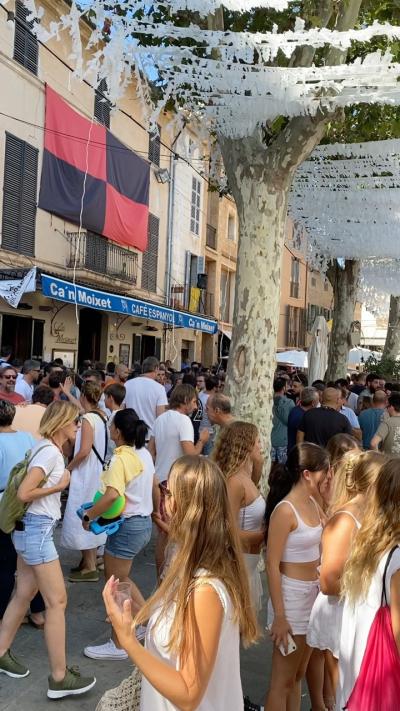
Beyond their architectural significance, churches throughout the island played key roles in festivals and local events that still attract visitors today. Celebrations like the feast of Sant Sebastià in Palma highlight enduring religious customs intertwined with popular culture, featuring processions, music, and traditional foods like pa amb oli and sobrassada. The church’s influence further extended into rural areas, where chapels in villages such as Deià and Soller fostered community bonds and preserved island identity.
While the church’s presence contributed to the preservation of Mallorca’s cultural heritage, it also had a complex impact on history and everyday life. Religious orders facilitated education and social welfare but also shaped norms and power structures for centuries. Today, exploring Mallorca’s churches offers a nuanced glimpse of how faith and society evolved here, complementing the island’s natural beauty and vibrant local traditions.
Beyond their architectural significance, churches throughout the island played key roles in festivals and local events that still attract visitors today. Celebrations like the feast of Sant Sebastià in Palma highlight enduring religious customs intertwined with popular culture, featuring processions, music, and traditional foods like pa amb oli and sobrassada. The church’s influence further extended into rural areas, where chapels in villages such as Deià and Soller fostered community bonds and preserved island identity.
While the church’s presence contributed to the preservation of Mallorca’s cultural heritage, it also had a complex impact on history and everyday life. Religious orders facilitated education and social welfare but also shaped norms and power structures for centuries. Today, exploring Mallorca’s churches offers a nuanced glimpse of how faith and society evolved here, complementing the island’s natural beauty and vibrant local traditions.

Cala Figuera
More Fotos