What are some lesser-known historical sites in Mallorca worth visiting?
Similar Topics
historical sites
valldemossa history
alcudia ruins
pollensa landmarks
tramuntana archaeology
soller railway
binissalem wine
local mallorca food
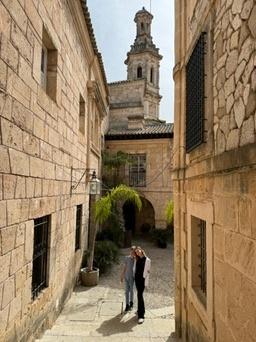
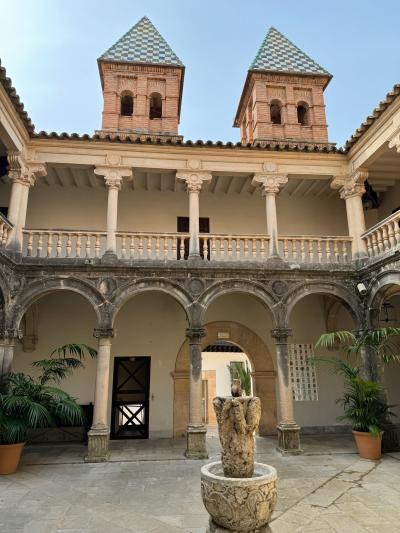
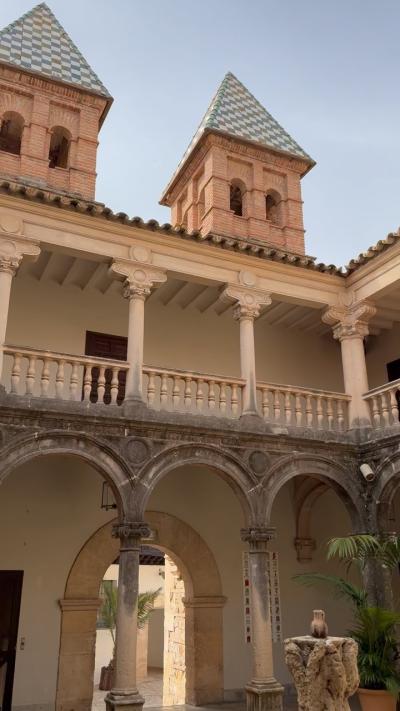
Locals often explore the island’s quieter corners when it comes to history, favoring ancient villages and hidden archaeological spots over the busiest tourist sites. Beyond the well-trodden streets of Palma’s old town, places like Valldemossa and Deià offer charming glimpses of Mallorca’s cultural heritage, with centuries-old stone houses and narrow alleys that tell stories of the island’s past. In Valldemossa, the former monastery where Chopin spent a winter captures a poetic slice of history, while Deià remains closely tied to the island’s artistic traditions.
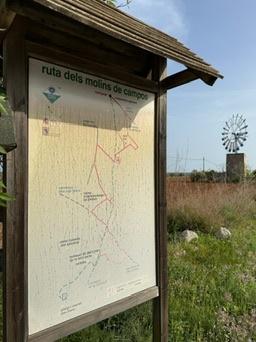
On the northeast coast, Alcúdia’s Roman ruins near the old town walls invite a step back to Mallorca’s early days under Roman rule. Nearby Pollensa charms with its medieval churches and the hilltop Calvary steps, which reward visitors with panoramic views and echoes of religious festivals. In the east, Manacor presents a different side of history, from traditional pearl workshops to the birthplace of famous figures who helped shape the island’s identity.
For something off the beaten track, the Talayotic settlements spread across the Tramuntana foothills reveal prehistoric life on the island, their stone structures quietly guarding secrets from thousands of years ago. Whether wandering along the Ma-13 through mountain villages or hopping on the historic Soller Railway, the island’s past comes alive in small, authentic forms away from the crowds. Sampling local dishes like tumbet or a glass of Binissalem wine afterward is the perfect way to taste the living history of Mallorca.
On the northeast coast, Alcúdia’s Roman ruins near the old town walls invite a step back to Mallorca’s early days under Roman rule. Nearby Pollensa charms with its medieval churches and the hilltop Calvary steps, which reward visitors with panoramic views and echoes of religious festivals. In the east, Manacor presents a different side of history, from traditional pearl workshops to the birthplace of famous figures who helped shape the island’s identity.
For something off the beaten track, the Talayotic settlements spread across the Tramuntana foothills reveal prehistoric life on the island, their stone structures quietly guarding secrets from thousands of years ago. Whether wandering along the Ma-13 through mountain villages or hopping on the historic Soller Railway, the island’s past comes alive in small, authentic forms away from the crowds. Sampling local dishes like tumbet or a glass of Binissalem wine afterward is the perfect way to taste the living history of Mallorca.

Palma
More Fotos