How important is it to speak Catalan or Spanish when visiting Mallorca, and should I learn some local phrases?
Similar Topics
mallorca language
catalan phrases
mallorqui dialect
local greetings
balearic culture
pa amb oli
tramuntana hiking
binissalem wine
The Balearic Islands have a rich linguistic heritage, with Catalan deeply rooted in the island's history and daily life. On Mallorca, the local dialect, Mallorquí, is a variant of Catalan spoken widely alongside Spanish. This bilingual tradition goes back centuries and remains central to community interactions, festivals, and cultural expression. Even signage in towns like Palma, Sóller, and Valldemossa often appears in Catalan, reflecting the islanders’ pride in their language.
Picking up a handful of phrases can enrich your experience beyond the typical tourist trail. Greeting someone with “Bon dia” instead of just “Hola” or asking politely with “Si us plau” shows respect and openness. Locals in marketplaces, cafés, or while hiking through the Serra de Tramuntana often appreciate visitors who try to speak the language, even if imperfectly. It can spark genuine exchanges, whether you’re chatting over a glass of Binissalem wine or ordering sobrassada and pa amb oli.
Beyond social niceties, understanding some basic Catalan or Spanish helps when navigating local buses on the TIB network or exploring rural villages along the Ma-13. Mastering simple words or phrases can lead to unexpected discoveries—perhaps tips on hidden coves near Cala Llombards or insider advice on the best time to visit the Festa de l’Ametler almond blossom festival. Ultimately, making the effort to learn local expressions turns sightseeing into connection, offering a deeper immersion into the island’s warm and vibrant culture.
Picking up a handful of phrases can enrich your experience beyond the typical tourist trail. Greeting someone with “Bon dia” instead of just “Hola” or asking politely with “Si us plau” shows respect and openness. Locals in marketplaces, cafés, or while hiking through the Serra de Tramuntana often appreciate visitors who try to speak the language, even if imperfectly. It can spark genuine exchanges, whether you’re chatting over a glass of Binissalem wine or ordering sobrassada and pa amb oli.
Beyond social niceties, understanding some basic Catalan or Spanish helps when navigating local buses on the TIB network or exploring rural villages along the Ma-13. Mastering simple words or phrases can lead to unexpected discoveries—perhaps tips on hidden coves near Cala Llombards or insider advice on the best time to visit the Festa de l’Ametler almond blossom festival. Ultimately, making the effort to learn local expressions turns sightseeing into connection, offering a deeper immersion into the island’s warm and vibrant culture.
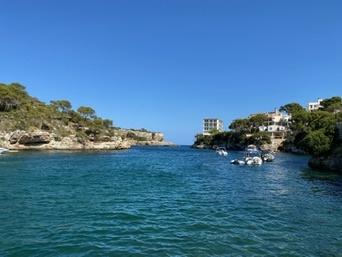
Cala Figuera
More Fotos