What traditional Mallorca dishes prominently feature olive oil?
Similar Topics
mallorca cuisine
olive oil dishes
pa amb oli
tumbet recipe
sobrassada
local seafood
extra virgin olive
ensaimada
Many visitors arrive expecting Mallorca’s cuisine to be all about rich meats and seafood, but olive oil is truly at the heart of local cooking here. Dishes like pa amb oli showcase this perfectly – simple slices of rustic bread rubbed with ripe tomato and garlic, then drenched in the island’s fruity olive oil and topped with local cheese or sobrassada. It’s a humble yet flavorful way the quality of Mallorca’s olives shines.
In towns like Pollenca and Alcudia, you’ll also find tumbet, a vegetable medley of fried aubergines, peppers, and potatoes layered and baked under a tomato and garlic sauce, all lavishly made with olive oil. This dish captures the essence of the island’s produce and traditional cooking style. Even seafood preparations, such as fresh fish grilled near Formentor or octopus served in a Palma tavern, often come finished with a drizzle of olive oil and a squeeze of lemon, enhancing natural freshness.
Beyond meals, olive oil is a common theme in dressings, marinades, and even during local festivities like the Festa de l’Ametler, where homegrown specialties are celebrated. Sampling extra virgin olive oil in a village market or pairing it with ensaimada for an unconventional treat lets you experience the culinary traditions that have shaped Mallorca’s food culture for generations.
In towns like Pollenca and Alcudia, you’ll also find tumbet, a vegetable medley of fried aubergines, peppers, and potatoes layered and baked under a tomato and garlic sauce, all lavishly made with olive oil. This dish captures the essence of the island’s produce and traditional cooking style. Even seafood preparations, such as fresh fish grilled near Formentor or octopus served in a Palma tavern, often come finished with a drizzle of olive oil and a squeeze of lemon, enhancing natural freshness.
Beyond meals, olive oil is a common theme in dressings, marinades, and even during local festivities like the Festa de l’Ametler, where homegrown specialties are celebrated. Sampling extra virgin olive oil in a village market or pairing it with ensaimada for an unconventional treat lets you experience the culinary traditions that have shaped Mallorca’s food culture for generations.
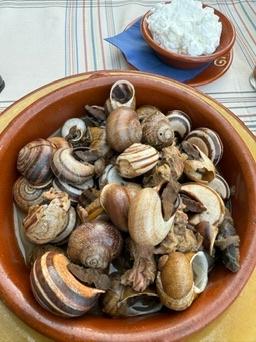
s'Horta
More Fotos
Related Questions
Related Question
How spacious are the hotel rooms in Palma and do they come in different layouts?
Related Question
Are there guided foraging tours in Mallorca where I can learn about wild asparagus and local edible plants?
Related Question
How does the availability of vegetarian options vary across different areas of Mallorca?