What are the main challenges in regulating tourism on Mallorca?
Similar Topics
mallorca tourism
tourism regulation
sustainable tourism
cultural preservation
environmental impact
overcrowding
local communities
public transportation
Managing tourism on Mallorca involves striking a careful balance between welcoming visitors and preserving the island’s unique environment and culture. High numbers of tourists, especially in popular spots like Palma, Alcudia, and the beaches of Es Trenc and Formentor, put pressure on natural resources and local infrastructure. Overcrowding during peak seasons can lead to degradation of delicate coastal areas and congestion on roads such as the Ma-13 and Ma-19, affecting both residents’ quality of life and visitor experience.
Public authorities also face the challenge of ensuring safety and well-being for everyone. This includes maintaining health standards at busy public beaches, regulating local transportation networks like the TIB buses and the historic Soller railway, and addressing concerns around crime in nightlife hubs. The growing presence of informal rental platforms and unregulated tours complicates enforcement, requiring adaptive strategies to uphold standards without stifling the local economy.
Cultural preservation is another key issue. Events such as the Festa de l'Ametler and Nit de Foc celebrate Mallorca’s traditions, but the risk of over-commercialization looms as tourism grows. Authorities work closely with communities in towns like Valldemossa and Deia to protect local identity and ensure that economic benefits from tourism—ranging from artisanal food like pa amb oli and sobrassada to local wine from Binissalem—are shared fairly. Thoughtful regulation combines environmental care, cultural respect, and economic needs to safeguard the island’s character for future generations.
Public authorities also face the challenge of ensuring safety and well-being for everyone. This includes maintaining health standards at busy public beaches, regulating local transportation networks like the TIB buses and the historic Soller railway, and addressing concerns around crime in nightlife hubs. The growing presence of informal rental platforms and unregulated tours complicates enforcement, requiring adaptive strategies to uphold standards without stifling the local economy.
Cultural preservation is another key issue. Events such as the Festa de l'Ametler and Nit de Foc celebrate Mallorca’s traditions, but the risk of over-commercialization looms as tourism grows. Authorities work closely with communities in towns like Valldemossa and Deia to protect local identity and ensure that economic benefits from tourism—ranging from artisanal food like pa amb oli and sobrassada to local wine from Binissalem—are shared fairly. Thoughtful regulation combines environmental care, cultural respect, and economic needs to safeguard the island’s character for future generations.
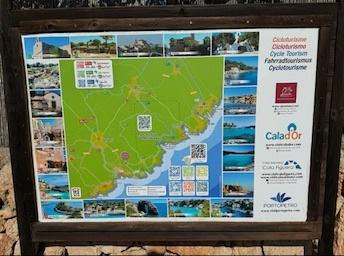
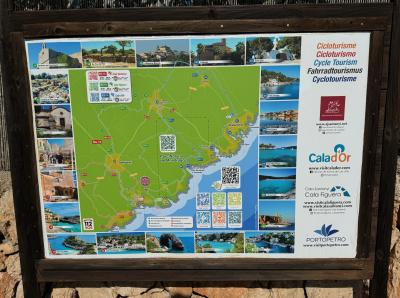
Cala Figuera
More Fotos





Related Questions
Related Question
What local cuisine should I try while visiting the beaches near Sa Rapita?
Related Question
What traditional dishes are typically served at coastal restaurants around Palma and the island's beaches?
Related Question
Can I rent a bicycle to explore the area between Andratx and Sant Elm?