What historical influences can be seen in the architecture of traditional fincas on Mallorca?
Similar Topics
mallorca fincas
moorish architecture
traditional stone houses
serra de tramuntana
valldemossa
pollenca
mediterranean design
local building materials
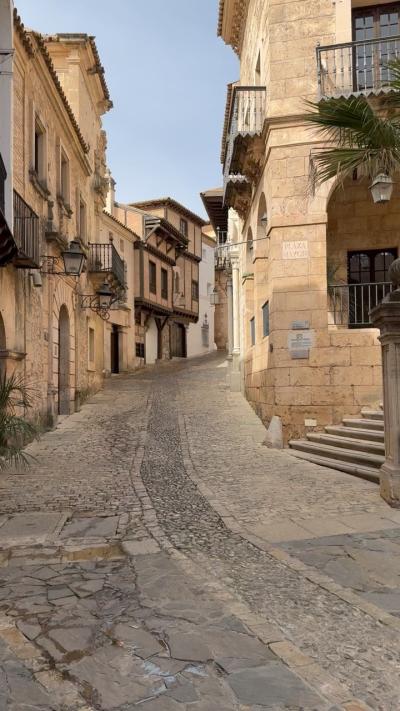
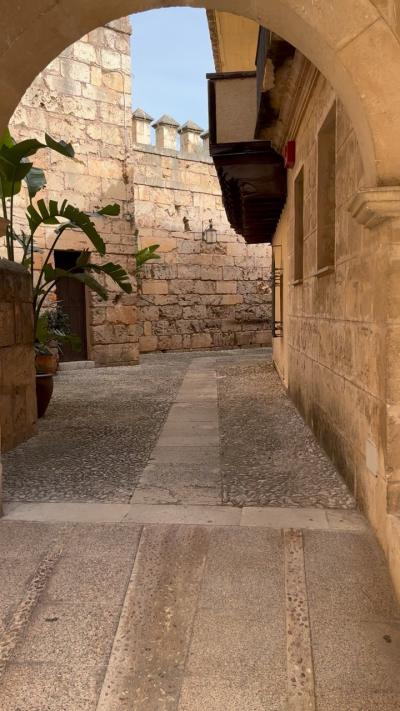
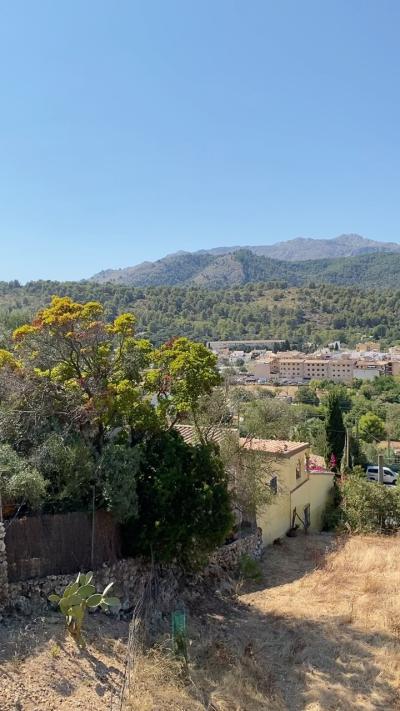
Traditional fincas on the island often reflect a layered history shaped by diverse cultural influences. Their thick stone walls and terracotta roof tiles use local materials that help regulate temperature and blend harmoniously with the surrounding countryside, a testament to centuries of Mediterranean building wisdom. The use of natural materials and sturdy construction methods reveals the practical and sustainable mindset typical of rural Mallorca.
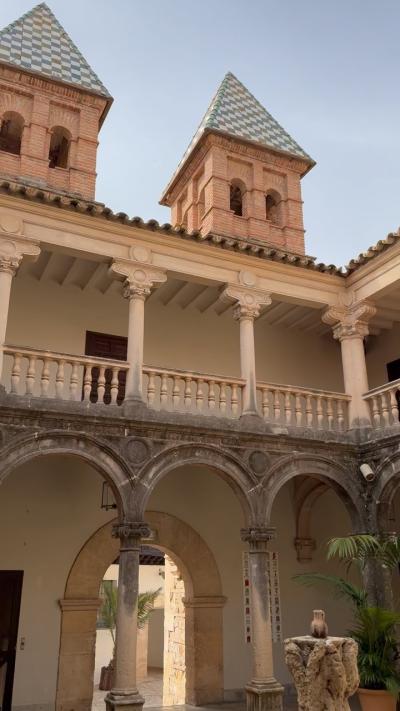
One of the most discernible influences is Moorish, visible in features such as arched doorways, decorative wrought ironwork, and internal courtyards designed to provide shade and coolness, an essential adaptation to the island’s climate. This style speaks to the era of Muslim rule and its lasting impact on Mallorcan architecture. Elsewhere, the simplicity and solid, cubic shapes of the buildings echo Catalan and Christian traditions that took hold after the Reconquista.
Renaissance ideals also left a mark, especially in symmetry and proportion, visible in some of the larger estates and palatial homes found around towns like Valldemossa and Pollenca. Many finca layouts gracefully balance indoor and outdoor spaces, inviting the island’s mild climate and landscape into daily living. Taken together, these elements create a rich architectural dialogue that mirrors Mallorca’s complex past and vibrant cultural heritage.
One of the most discernible influences is Moorish, visible in features such as arched doorways, decorative wrought ironwork, and internal courtyards designed to provide shade and coolness, an essential adaptation to the island’s climate. This style speaks to the era of Muslim rule and its lasting impact on Mallorcan architecture. Elsewhere, the simplicity and solid, cubic shapes of the buildings echo Catalan and Christian traditions that took hold after the Reconquista.
Renaissance ideals also left a mark, especially in symmetry and proportion, visible in some of the larger estates and palatial homes found around towns like Valldemossa and Pollenca. Many finca layouts gracefully balance indoor and outdoor spaces, inviting the island’s mild climate and landscape into daily living. Taken together, these elements create a rich architectural dialogue that mirrors Mallorca’s complex past and vibrant cultural heritage.

Cala Figuera
More Fotos