What local customs should I be aware of when having a picnic in Mallorca?
Similar Topics
picnic etiquette
mallorca customs
serra de tramuntana
cala mondrago
pa amb oli
es trenc beach
sant sebastia festival
local wildlife
Picnicking on the island is often more than just a meal outdoors—it’s a tradition rooted in enjoying the landscape respectfully. Whether you’re nestled in a cove like Cala Mondrago or resting beside the olive groves near Valldemossa, locals expect visitors to pick spots where picnics are appropriate and to leave no trace behind. Open fires are generally discouraged, especially within the protected areas of the Serra de Tramuntana, to prevent wildfires.
Conversations tend to be subdued, especially in quieter areas like Formentor beach or the villages of Deia and Pollenca, where people treasure the peace. Cleaning up thoroughly after your picnic is a must; bins are often limited outside towns like Palma or Alcudia, so carrying your rubbish out helps keep the landscape pristine. Sharing food is common, particularly dishes like pa amb oli or ensaimada passed around among friends and family, which adds warmth to the experience.
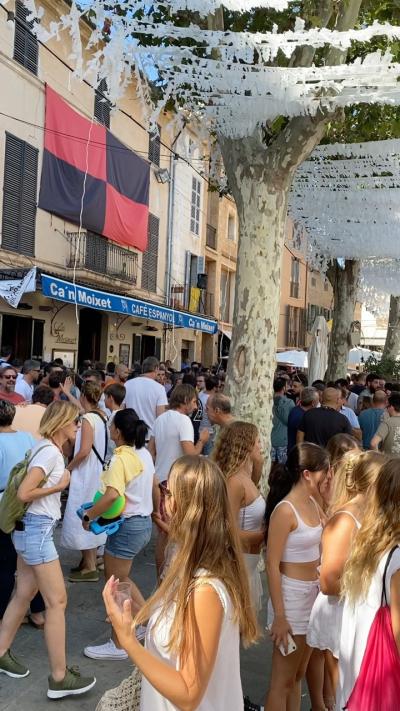
Dress casually but consider the setting—if you’re joining a picnic after exploring a traditional festival such as Sant Sebastià in Palma or the Festa de l’Ametler in Soller, it’s nice to reflect the occasion with smart-casual attire. Lastly, observe local wildlife by keeping your distance and never feeding birds or other animals, which could upset fragile ecosystems, especially near the salt flats and dunes of Es Trenc. Respecting these customs not only preserves Mallorca’s natural beauty but deepens your connection to its island lifestyle.
Conversations tend to be subdued, especially in quieter areas like Formentor beach or the villages of Deia and Pollenca, where people treasure the peace. Cleaning up thoroughly after your picnic is a must; bins are often limited outside towns like Palma or Alcudia, so carrying your rubbish out helps keep the landscape pristine. Sharing food is common, particularly dishes like pa amb oli or ensaimada passed around among friends and family, which adds warmth to the experience.
Dress casually but consider the setting—if you’re joining a picnic after exploring a traditional festival such as Sant Sebastià in Palma or the Festa de l’Ametler in Soller, it’s nice to reflect the occasion with smart-casual attire. Lastly, observe local wildlife by keeping your distance and never feeding birds or other animals, which could upset fragile ecosystems, especially near the salt flats and dunes of Es Trenc. Respecting these customs not only preserves Mallorca’s natural beauty but deepens your connection to its island lifestyle.

Cala Figuera
More Fotos






Related Questions
Related Question
How do residents of Mallorca engage with the island's traditional festivals and celebrations?
Related Question
Are there any guided tours available that focus on the history of Sa Dragonera?
Related Question
What activities can I enjoy at Mallorca's main beaches near the towns and promenades?