What should I know about driving safety and road conditions on Mallorca?
Similar Topics
mallorca driving
road safety mallorca
tramuntana roads
ma-13 road
local traffic laws
car rental mallorca
rural driving mallorca
driving tips mallorca
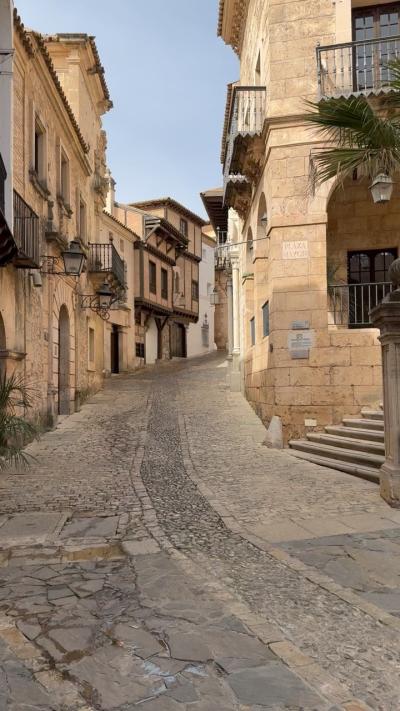
Navigating Mallorca by car has become smoother in recent years thanks to improvements on main routes like the Ma-13 and Ma-19, which connect Palma with coastal towns such as Alcudia and Cala Millor. However, much of the island beyond these thoroughfares remains characterized by narrow, winding roads, especially through the Serra de Tramuntana. Drivers should be prepared for steep inclines, tight bends, and occasional one-lane stretches where caution is essential. Seasonal factors like windy weather or sudden rain can make these mountain roads notably challenging, demanding slower speeds and careful attention.
Local regulations align closely with those throughout Spain, with seatbelt use compulsory and strict penalties for mobile phone use while driving unless hands-free. The tiny villages of Valldemossa or Deia, for instance, might present unexpected pedestrian crossings or cyclists sharing lanes on quieter routes. Road signage is generally clear but sometimes limited on rural paths, so having a reliable GPS or local map helps. Wildlife is less of a concern here, but it’s wise to watch for stray animals like sheep near farms outside towns.
Car maintenance remains important — checking tires and brakes before setting off on longer journeys into the Tramuntana or towards Manacor can prevent headaches. Fuel stations are widely available around Palma and major towns, but less frequent in remote northern reaches. When parked in busy spots like Palma’s old town or near Es Trenc beach, be mindful of narrow parking spaces and watch out for scooters and mopeds weaving through traffic. Overall, defensive driving backed by respect for local road conditions ensures a safe and enjoyable exploration of the island by car.
Local regulations align closely with those throughout Spain, with seatbelt use compulsory and strict penalties for mobile phone use while driving unless hands-free. The tiny villages of Valldemossa or Deia, for instance, might present unexpected pedestrian crossings or cyclists sharing lanes on quieter routes. Road signage is generally clear but sometimes limited on rural paths, so having a reliable GPS or local map helps. Wildlife is less of a concern here, but it’s wise to watch for stray animals like sheep near farms outside towns.
Car maintenance remains important — checking tires and brakes before setting off on longer journeys into the Tramuntana or towards Manacor can prevent headaches. Fuel stations are widely available around Palma and major towns, but less frequent in remote northern reaches. When parked in busy spots like Palma’s old town or near Es Trenc beach, be mindful of narrow parking spaces and watch out for scooters and mopeds weaving through traffic. Overall, defensive driving backed by respect for local road conditions ensures a safe and enjoyable exploration of the island by car.

Cala Figuera
More Fotos