How can I communicate effectively in Mallorca if I don’t speak Spanish?
Similar Topics
mallorca communication
mallorcan phrases
translation apps
tib bus network
palma english speakers
serra de tramuntana
local food terms
non-verbal communication
The island’s long history as a meeting point of different cultures means many locals have picked up languages beyond Spanish and Catalan. While Mallorcan Catalan is widely spoken alongside Spanish, English tends to be commonly understood in tourist hotspots such as Palma, Soller, and Alcudia. Staff in hotels, shops, and restaurants often speak English, but venturing into smaller villages like Valldemossa or Deia may require a bit more effort with language. Relying on a translation app like Google Translate or Microsoft Translator on your smartphone can be invaluable, especially since it can work offline if you download the Balearic language packs in advance. This is useful for navigating local bus routes operated by TIB or reading signs on mountain roads like the Serra de Tramuntana’s twists along the Ma-10.
Taking the time to learn a handful of Mallorcan phrases or simple Spanish greetings can make a big impression. Phrases such as "bon dia" (good day), "gràcies" (thank you), or "on és la platja d’Es Trenc?" (where is Es Trenc beach?) quickly break the ice and often lead to friendlier responses. Many local markets and eateries still value traditional interactions, so carrying a phrasebook or using flashcards can help when ordering typical dishes like tumbet, pa amb oli, or fresh sobrassada. Don’t underestimate the power of non-verbal communication either — gestures, smiles, or pointing work well, especially when exploring more remote coves like Cala Llombards or Formentor beach.
Ultimately, patience, politeness, and a willingness to engage with the culture will make the language gap feel less daunting. Locals at events like Sant Sebastià in Palma or the Festa de l’Ametler in the Serra de Tramuntana are generally warm and eager to help visitors get the most out of the island experience, even when words stumble. Embracing these small communication challenges becomes part of the charm of visiting here.
Taking the time to learn a handful of Mallorcan phrases or simple Spanish greetings can make a big impression. Phrases such as "bon dia" (good day), "gràcies" (thank you), or "on és la platja d’Es Trenc?" (where is Es Trenc beach?) quickly break the ice and often lead to friendlier responses. Many local markets and eateries still value traditional interactions, so carrying a phrasebook or using flashcards can help when ordering typical dishes like tumbet, pa amb oli, or fresh sobrassada. Don’t underestimate the power of non-verbal communication either — gestures, smiles, or pointing work well, especially when exploring more remote coves like Cala Llombards or Formentor beach.
Ultimately, patience, politeness, and a willingness to engage with the culture will make the language gap feel less daunting. Locals at events like Sant Sebastià in Palma or the Festa de l’Ametler in the Serra de Tramuntana are generally warm and eager to help visitors get the most out of the island experience, even when words stumble. Embracing these small communication challenges becomes part of the charm of visiting here.
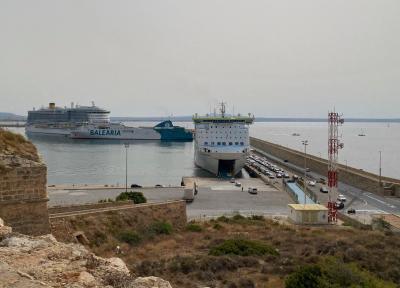
ses Illetes
More Fotos