Can tourists take part in Easter processions on Mallorca or are they mainly local events?
Similar Topics
easter processions
holy week mallorca
palma events
local traditions
pollenca easter
cultural heritage
mallorca festivals
holy week processions
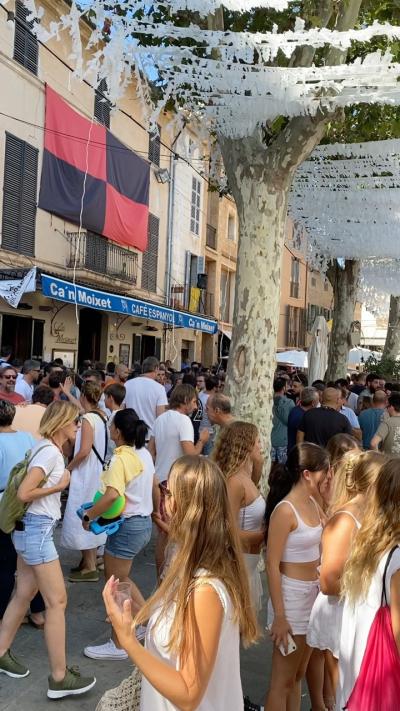
If you find yourself in Palma or one of the island’s smaller towns like Pollenca or Alcudia during Easter, you’ll notice the streets come alive with deeply rooted religious traditions. While these processions are largely community-led, visitors are often welcomed to observe and sometimes join, as the island’s people are proud to share their cultural heritage. It is not unusual for tourists to respectfully follow behind the pasos, the ornate floats depicting scenes from the Passion, alongside locals clad in traditional robes.
The atmosphere ranges from solemn and reflective in mountain villages such as Valldemossa or Soller to more exuberant in Palma, where the Sant Sebastia festival also stirs the city in mid-January with fiery celebrations. To truly appreciate the significance, many travelers arrive early to secure a spot along the route, often near the historic cathedral or in historic quarters. Though tourists rarely wear the traditional capirotes (pointed hoods), expressing enthusiasm while maintaining respect for the religious tone is appreciated by locals.
Local families and communities often explain the symbolism behind the intricate floats and penitential rituals, turning viewing into an immersive cultural encounter. If you are curious, some towns also offer explanatory tours during Holy Week that help bridge understanding between visitors and traditions that have endured for centuries. Taking part in the island's Easter processions can be a poignant way to connect not only with Mallorca’s faith but with its spirited and welcoming character.
The atmosphere ranges from solemn and reflective in mountain villages such as Valldemossa or Soller to more exuberant in Palma, where the Sant Sebastia festival also stirs the city in mid-January with fiery celebrations. To truly appreciate the significance, many travelers arrive early to secure a spot along the route, often near the historic cathedral or in historic quarters. Though tourists rarely wear the traditional capirotes (pointed hoods), expressing enthusiasm while maintaining respect for the religious tone is appreciated by locals.
Local families and communities often explain the symbolism behind the intricate floats and penitential rituals, turning viewing into an immersive cultural encounter. If you are curious, some towns also offer explanatory tours during Holy Week that help bridge understanding between visitors and traditions that have endured for centuries. Taking part in the island's Easter processions can be a poignant way to connect not only with Mallorca’s faith but with its spirited and welcoming character.
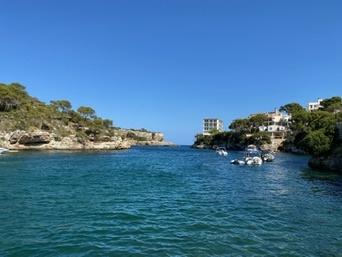
Cala Figuera
More Fotos
Related Questions
Related Question
What interactive attractions are there in Mallorca for children to enjoy?
Related Question
What additional help can I get from the tourist information centers on Mallorca?
Related Question
Which hotels in Palma have the best Wi-Fi for guests who need reliable internet during their stay?