What materials were traditionally used to build rural chapels on Mallorca?
Similar Topics
mallorca chapels
serra de tramuntana
mediterranean hardwood
terracotta roofs
valldemossa chapel
deia religious sites
pollenca hermitages
mallorca architecture
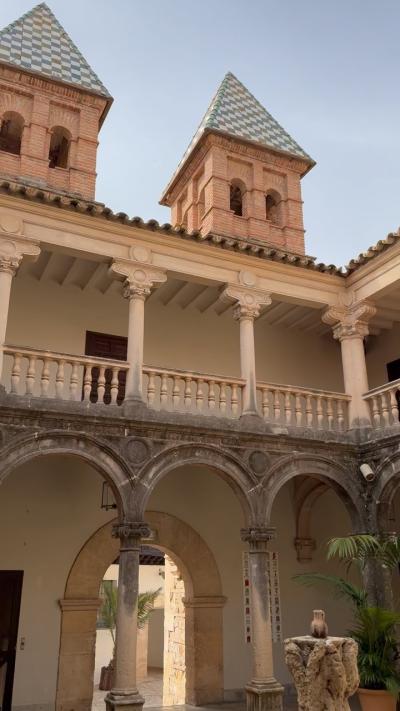
In many of the island’s rural chapels, including small sanctuaries nestled within villages like Valldemossa or Deia, local stone has historically been the primary building material. This limestone, quarried from the Serra de Tramuntana, lends not only strength but a warm, sunbleached hue that harmonizes with the surrounding landscape. The choice of stone ties these chapels closely to the natural environment and the agricultural heritage of the area.
Wood plays a significant complementary role, often in ceiling beams, doorways, and altarpieces. Artisans typically used Mediterranean hardwoods, sourced nearby, lending durability and fine grain that allowed intricate carving, especially in religious motifs. Windows sometimes feature small stained glass sections that cast colorful light into the modest interiors, creating an intimate atmosphere suited for quiet contemplation.
Roofs were traditionally constructed with terracotta tiles, adding a distinctive reddish tone common across Mallorca’s architecture. These materials combined reflect a blend of practicality and local tradition, emphasizing craftsmanship using what was available nearby. The chapels embody a timeless connection between island culture, geology, and faith, from Pollenca’s historic sanctuary to tiny chapels overlooking the coves of Cala Mondrago.
Understanding these construction materials also enriches visits to places like the old churches in Soller or the hermitages along the Ma-10 road, where you can see how the island’s artisans adapted natural resources to create serene spiritual spaces that have endured through centuries.
Wood plays a significant complementary role, often in ceiling beams, doorways, and altarpieces. Artisans typically used Mediterranean hardwoods, sourced nearby, lending durability and fine grain that allowed intricate carving, especially in religious motifs. Windows sometimes feature small stained glass sections that cast colorful light into the modest interiors, creating an intimate atmosphere suited for quiet contemplation.
Roofs were traditionally constructed with terracotta tiles, adding a distinctive reddish tone common across Mallorca’s architecture. These materials combined reflect a blend of practicality and local tradition, emphasizing craftsmanship using what was available nearby. The chapels embody a timeless connection between island culture, geology, and faith, from Pollenca’s historic sanctuary to tiny chapels overlooking the coves of Cala Mondrago.
Understanding these construction materials also enriches visits to places like the old churches in Soller or the hermitages along the Ma-10 road, where you can see how the island’s artisans adapted natural resources to create serene spiritual spaces that have endured through centuries.

Cala Figuera
More Fotos