How do plant and animal species differ between Mallorca's coastal and inland areas?
Similar Topics
mallorca flora
mallorca fauna
tramuntana wildlife
es trenc nature
balearic plants
mallorca birds
mallorca coastal habitats
balearic ecosystems
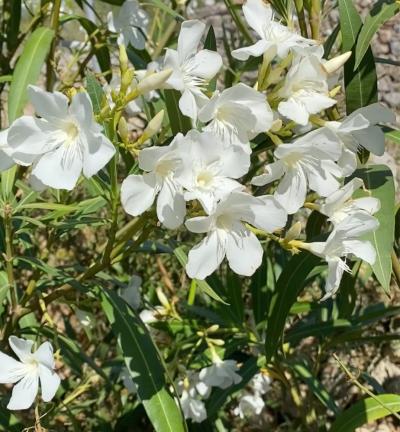
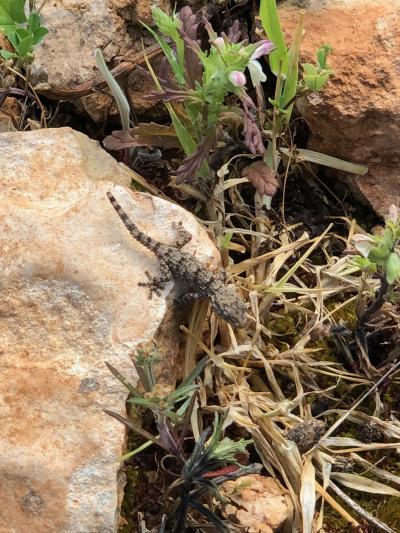
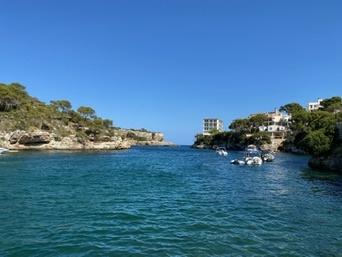
Along Mallorca's coast, vegetation is adapted to salty, sun-drenched conditions, with the resilient Mediterranean fan palms and Aleppo pines shaping the landscape. Low scrub and aromatic herbs like rosemary and thyme fill the cove fringes near places like Cala Mondragó or Es Trenc, offering shelter for seabirds such as yellow-legged gulls and the occasional Audouin's gull. The shallow waters attract posidonia sea grass meadows, vital nursery grounds for fish and invertebrates. Moving inland towards the Serra de Tramuntana, the scenery shifts dramatically. Rocky slopes and terraced fields around Valldemossa and Deia support holm oaks, strawberry trees, and the endemic Balearic boxwood. Here you might spot Sardinian warblers or the elusive Balearic lizard darting among the stones.
Further into the island's interior, near Manacor and the plains around Alcudia, patches of farmland and dry shrubland host species adapted to hotter, drier conditions. Buzzards patrol above, while rabbits and small reptiles thrive among the herbs and low bushes. The seasonal contrast in moisture and soil types across these areas creates a distinct mosaic of habitats. On rare walks through the Tramuntana's forested trails, glimpses of butterflies, wildflowers, and birds such as the chiffchaff provide a sense of the island’s quieter natural rhythms. Both coastal and inland ecosystems play their part in Mallorca's biodiversity, rewarding visitors willing to explore beyond the well-trodden beaches.
Further into the island's interior, near Manacor and the plains around Alcudia, patches of farmland and dry shrubland host species adapted to hotter, drier conditions. Buzzards patrol above, while rabbits and small reptiles thrive among the herbs and low bushes. The seasonal contrast in moisture and soil types across these areas creates a distinct mosaic of habitats. On rare walks through the Tramuntana's forested trails, glimpses of butterflies, wildflowers, and birds such as the chiffchaff provide a sense of the island’s quieter natural rhythms. Both coastal and inland ecosystems play their part in Mallorca's biodiversity, rewarding visitors willing to explore beyond the well-trodden beaches.
More Fotos
Related Questions
Related Question
What are some traditional Mallorcan foods I should try at local markets like Mercat de l'Olivar or Mercat de Sineu?
Related Question
Are there any museums or exhibitions in Palma or nearby towns that explore local history?
Related Question
What types of exhibitions can I see in Palma's museums and galleries right now?