Is there a specific time period that is most represented in Mallorca's historical sites?
Similar Topics
Mallorca historical sites
medieval era Mallorca
Gothic architecture
Renaissance influence
Cathedral of Santa Maria
Bellver Castle
Mallorca cultural heritage
Valldemossa architecture
Sóller historical buildings
ancient ruins Mallorca
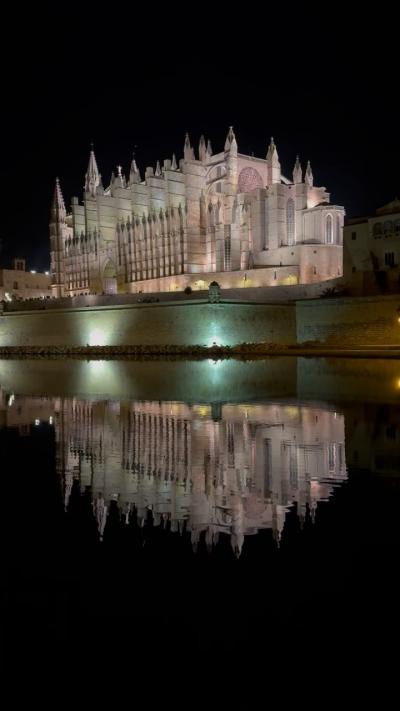
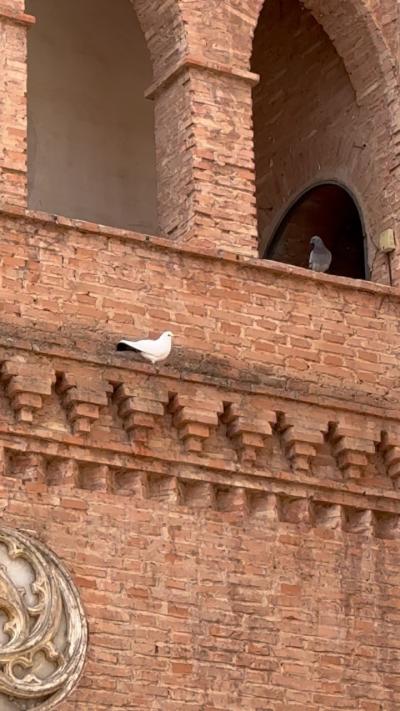
Mallorca's historical sites reflect a rich tapestry of influences that span several centuries, but one specific period that stands out is the medieval era, particularly from the 13th to the 15th centuries. This was a transformative time for the island, marked by the arrival of the Christian conqueror, James I of Aragon, in 1229. His conquest not only ended Muslim rule but also initiated a wave of Christian architecture and urban development. During this time, you can explore stunning Gothic structures like the Cathedral of Santa Maria in Palma, which showcases the grandeur and intricate artistry typical of the period.
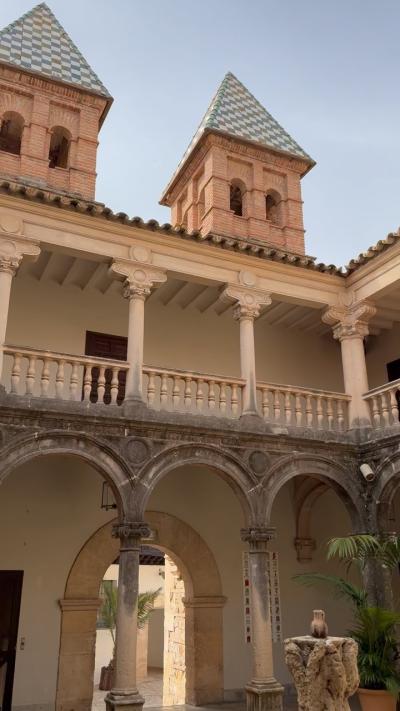
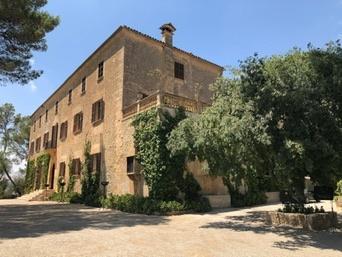
In addition to the Gothic period, the influence of the Renaissance in the 16th century also left its mark on Mallorca’s architecture and cultural heritage. The island saw the construction of palatial homes and fortifications, many of which are still standing today, such as the impressive Bellver Castle. As you wander the charming streets of towns like Valldemossa and Sóller, you'll encounter beautifully preserved buildings that tell the story of Mallorca’s evolution through these pivotal centuries. The blend of Gothic and Renaissance elements creates a unique atmosphere that is deeply rooted in the island's identity, making it a fascinating destination for history enthusiasts.
While the medieval period is certainly the most prominent in terms of architectural legacy, the influences of earlier Roman and Islamic cultures are also visible throughout the island, providing a more comprehensive understanding of its diverse history. Whether you're exploring ancient ruins or admiring the craftsmanship of medieval churches, Mallorca offers a captivating journey through time that highlights its rich cultural heritage.
In addition to the Gothic period, the influence of the Renaissance in the 16th century also left its mark on Mallorca’s architecture and cultural heritage. The island saw the construction of palatial homes and fortifications, many of which are still standing today, such as the impressive Bellver Castle. As you wander the charming streets of towns like Valldemossa and Sóller, you'll encounter beautifully preserved buildings that tell the story of Mallorca’s evolution through these pivotal centuries. The blend of Gothic and Renaissance elements creates a unique atmosphere that is deeply rooted in the island's identity, making it a fascinating destination for history enthusiasts.
While the medieval period is certainly the most prominent in terms of architectural legacy, the influences of earlier Roman and Islamic cultures are also visible throughout the island, providing a more comprehensive understanding of its diverse history. Whether you're exploring ancient ruins or admiring the craftsmanship of medieval churches, Mallorca offers a captivating journey through time that highlights its rich cultural heritage.
More Fotos