What measures does the local government take to reduce waste from tourists on Mallorca?
Similar Topics
waste reduction
recycling bins
single-use plastics
sustainable tourism
eco-friendly hotels
tib bus network
local festivals
environmental awareness
Waste reduction is a priority here, supported by practical measures that make it easy for visitors to do their part. Throughout popular spots like Palma, Soller, and the beaches at Es Trenc and Cala Mondrago, the streets and tourist hubs are equipped with clearly marked recycling bins separating plastics, glass, organic waste, and general rubbish. Informative signs explain what goes where, helping to guide even first-time visitors through the island’s recycling system. These efforts integrate smoothly with the wider TIB bus network and public areas, where waste management guidelines are consistently applied.
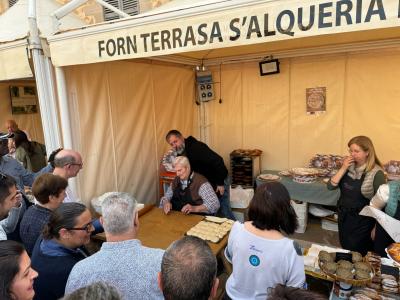
Local authorities also work closely with hotels and restaurants, especially in towns like Alcudia and Pollenca, promoting eco-conscious policies such as cutting down on single-use plastics and encouraging refillable water options. Some establishments participate in incentive programs that reward sustainable practices. Public events, such as the Nit de Foc festival or summer markets in Valldemossa, often include educational booths or demonstrations focused on waste reduction, like zero-waste cooking or upcycling, which create awareness among visitors amid the celebrations.
Combining accessible infrastructure with active collaboration across the tourism industry, the island encourages a culture of environmental responsibility. This approach not only helps protect the Serra de Tramuntana’s delicate landscapes but also aims to inspire guests to carry these habits beyond their stay. By embedding waste reduction in everyday travel experiences—from the Mallorca Soller Railway journey to tasting local Binissalem wines in eco-friendly venues—the community fosters a more sustainable visit for everyone.
Local authorities also work closely with hotels and restaurants, especially in towns like Alcudia and Pollenca, promoting eco-conscious policies such as cutting down on single-use plastics and encouraging refillable water options. Some establishments participate in incentive programs that reward sustainable practices. Public events, such as the Nit de Foc festival or summer markets in Valldemossa, often include educational booths or demonstrations focused on waste reduction, like zero-waste cooking or upcycling, which create awareness among visitors amid the celebrations.
Combining accessible infrastructure with active collaboration across the tourism industry, the island encourages a culture of environmental responsibility. This approach not only helps protect the Serra de Tramuntana’s delicate landscapes but also aims to inspire guests to carry these habits beyond their stay. By embedding waste reduction in everyday travel experiences—from the Mallorca Soller Railway journey to tasting local Binissalem wines in eco-friendly venues—the community fosters a more sustainable visit for everyone.
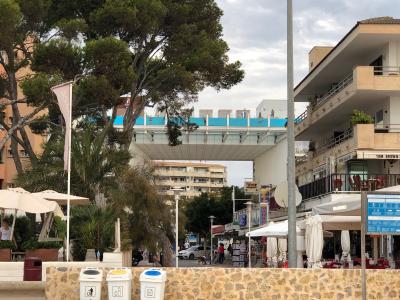
Cala Vinyes
More Fotos


Related Questions
Related Question
How do seasonal changes affect the wildlife I might see around the Serra de Tramuntana and other parts of the island?
Related Question
Are there any secluded beaches or nature spots worth discovering along the Serra de Tramuntana coast?
Related Question
How long does it typically take to hike to the Castell d’Alaró?