How does the climate of Mallorca affect its vegetation?
Similar Topics
Mallorca climate
Mediterranean vegetation
drought-resistant plants
olive trees
almond trees
Serra de Tramuntana
native species
hiking trails Mallorca
nature lovers Mallorca
Mallorca ecosystems
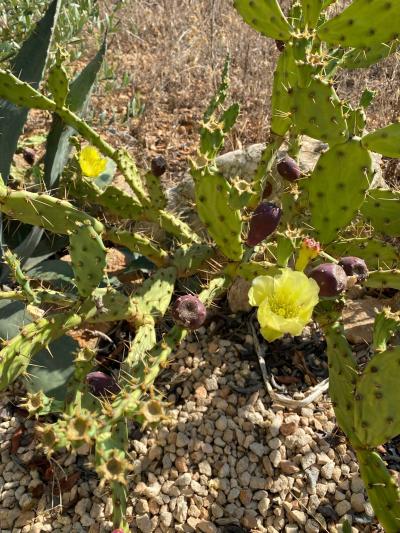
Mallorca's climate plays a significant role in shaping its diverse vegetation. The island enjoys a Mediterranean climate characterized by hot, dry summers and mild, wetter winters. These conditions create an ideal environment for various plant species to thrive. The warm temperatures and ample sunshine during the summer months encourage the growth of drought-resistant plants, like olive trees, almond trees, and various herbs such as rosemary and thyme. The rich, rocky soils found throughout the island also contribute to the lush growth of these typical Mediterranean flora.
During the winter months, Mallorca experiences more rainfall, which supports a different set of vegetation. This seasonal change allows for the flourishing of green pastures and forests, particularly in the mountainous regions like the Serra de Tramuntana. Here, you can find a mix of pine trees, holm oaks, and other native species that thrive in the cooler, wetter climate. The island's diverse topography, from coastal areas to mountainous regions, further influences the distribution of plant life, leading to a rich tapestry of ecosystems that can be explored while hiking or driving through its scenic landscapes.
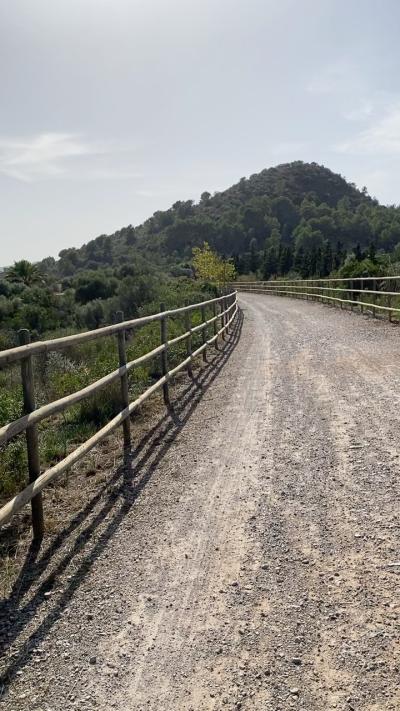
The interplay between the climate and vegetation not only creates stunning natural beauty but also supports a variety of wildlife, making Mallorca a vibrant destination for nature lovers. As you explore the island, you'll encounter numerous walking trails that showcase its unique plant life, from fragrant coastal shrubs to the lush greenery of its interior forests. This diversity not only enhances the island's charm but also invites visitors to appreciate the delicate balance of nature that Mallorca embodies.
During the winter months, Mallorca experiences more rainfall, which supports a different set of vegetation. This seasonal change allows for the flourishing of green pastures and forests, particularly in the mountainous regions like the Serra de Tramuntana. Here, you can find a mix of pine trees, holm oaks, and other native species that thrive in the cooler, wetter climate. The island's diverse topography, from coastal areas to mountainous regions, further influences the distribution of plant life, leading to a rich tapestry of ecosystems that can be explored while hiking or driving through its scenic landscapes.
The interplay between the climate and vegetation not only creates stunning natural beauty but also supports a variety of wildlife, making Mallorca a vibrant destination for nature lovers. As you explore the island, you'll encounter numerous walking trails that showcase its unique plant life, from fragrant coastal shrubs to the lush greenery of its interior forests. This diversity not only enhances the island's charm but also invites visitors to appreciate the delicate balance of nature that Mallorca embodies.
More Fotos