What were the living conditions like for residents in Mallorca during this era?
Similar Topics
Mallorca living conditions
20th century Mallorca
Mallorca tourism
traditional agriculture Mallorca
rural life Mallorca
Mallorca cultural identity
urbanization in Mallorca
Mallorca local cuisine
Mallorca history
Mallorca villages
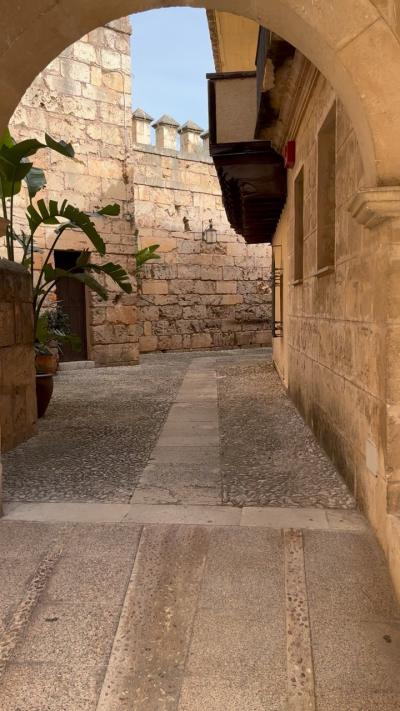
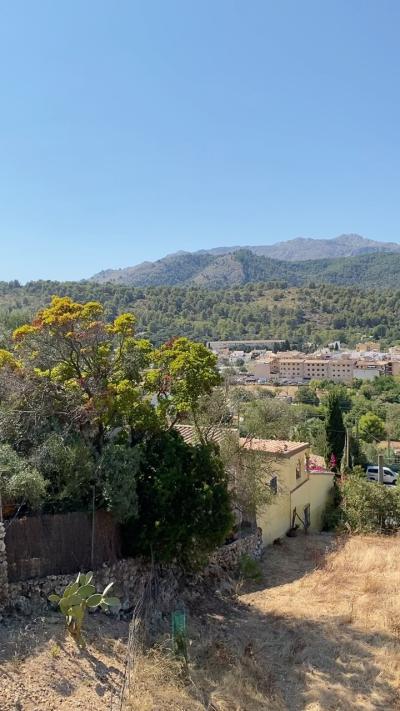
During the early to mid-20th century, living conditions in Mallorca were shaped by a mix of traditional agricultural practices and gradual modernization. Many residents lived in rural areas where farming was the primary occupation, and the landscape was dotted with small villages. Homes were often modest, constructed from local stone with simple interiors. Life was certainly influenced by the rhythms of nature, with a strong emphasis on community and family ties. The slower pace of life allowed for close-knit relationships among neighbors, often centered around shared agricultural activities or local festivals that celebrated the island's rich culture.
As tourism began to emerge in the latter part of the 20th century, particularly in the 1960s, the living conditions began to change significantly. The influx of visitors brought economic opportunities, which led to improved infrastructure and services. While this development provided many residents with new jobs in hospitality and retail, it also brought challenges related to urbanization and environmental changes. Coastal areas saw a transformation as hotels and resorts sprang up, sometimes at the expense of traditional landscapes. Despite these changes, many locals worked hard to maintain their cultural identity, balancing the demands of a growing tourist economy with their agricultural roots and local customs.
Overall, the living conditions during this era reflected a transition from a predominantly agrarian lifestyle to a more diversified economy influenced by tourism. Residents experienced both the benefits of increased economic opportunities and the challenges that come with rapid change. Today, Mallorca stands as a testament to this evolution, where the charm of its traditional villages coexists with the vibrancy of a thriving tourist destination. Visitors can appreciate this rich history through the island's architecture, local cuisine, and the warm hospitality of its people, who continue to embrace both their heritage and the influences of modern life.
As tourism began to emerge in the latter part of the 20th century, particularly in the 1960s, the living conditions began to change significantly. The influx of visitors brought economic opportunities, which led to improved infrastructure and services. While this development provided many residents with new jobs in hospitality and retail, it also brought challenges related to urbanization and environmental changes. Coastal areas saw a transformation as hotels and resorts sprang up, sometimes at the expense of traditional landscapes. Despite these changes, many locals worked hard to maintain their cultural identity, balancing the demands of a growing tourist economy with their agricultural roots and local customs.
Overall, the living conditions during this era reflected a transition from a predominantly agrarian lifestyle to a more diversified economy influenced by tourism. Residents experienced both the benefits of increased economic opportunities and the challenges that come with rapid change. Today, Mallorca stands as a testament to this evolution, where the charm of its traditional villages coexists with the vibrancy of a thriving tourist destination. Visitors can appreciate this rich history through the island's architecture, local cuisine, and the warm hospitality of its people, who continue to embrace both their heritage and the influences of modern life.

Cala Figuera
More Fotos


Related Questions
Related Question
Can I visit the lighthouse at Far de Estalella at night?
Related Question
Are there any fig orchards or farms on the island where I can sample local figs and learn about their cultivation?
Related Question
Is it possible to buy train tickets ahead of time for travel on Mallorca's railways?