How do changing weather conditions affect driving on Mallorca's roads?
Similar Topics
mallorca roads
tramuntana driving
mallorca weather impact
ma-19 road conditions
driving safety mallorca
fog driving mallorca
rainy weather driving
mountain road caution
Locals here are well acquainted with how quickly the island’s road conditions can shift with the weather. On sunny days, driving along the Ma-19 or winding through the Serra de Tramuntana offers a smooth, comfortable experience, whether you’re cruising towards Valldemossa or heading to a beach like Cala Mondrago. But when rain falls, especially after dry spells, the roads can get deceptively slippery as accumulated oils and dust combine with water, demanding more cautious driving.
Winter on the island rarely brings snow, but higher elevations in the Tramuntana can experience frost and icy patches, particularly on less frequented mountain roads like sections of the Ma-10. While these conditions are unusual, it’s wise to check local forecasts and road reports if you’re planning to explore inland or the north coast near Pollença during colder months. Fog can also settle in the valleys or along coastal stretches early in the morning or during seasonal change, reducing visibility and necessitating low-beam headlights and attentive driving.
The TIB bus network and Palma’s metro system are less affected by these shifts, but drivers should remain alert for sudden weather changes that might affect travel times or safety on narrow mountain passes. Adjusting your speed and giving yourself extra time to reach destinations like Sóller or Manacor is always a smart move. Above all, prioritise safety and be prepared to change plans if the weather turns unexpectedly, especially when navigating the island’s more challenging routes in wet or foggy conditions.
Winter on the island rarely brings snow, but higher elevations in the Tramuntana can experience frost and icy patches, particularly on less frequented mountain roads like sections of the Ma-10. While these conditions are unusual, it’s wise to check local forecasts and road reports if you’re planning to explore inland or the north coast near Pollença during colder months. Fog can also settle in the valleys or along coastal stretches early in the morning or during seasonal change, reducing visibility and necessitating low-beam headlights and attentive driving.
The TIB bus network and Palma’s metro system are less affected by these shifts, but drivers should remain alert for sudden weather changes that might affect travel times or safety on narrow mountain passes. Adjusting your speed and giving yourself extra time to reach destinations like Sóller or Manacor is always a smart move. Above all, prioritise safety and be prepared to change plans if the weather turns unexpectedly, especially when navigating the island’s more challenging routes in wet or foggy conditions.
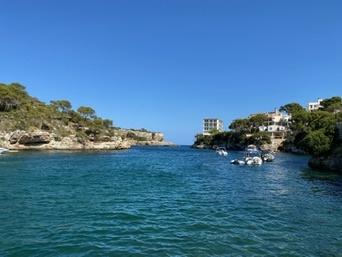
Cala Figuera
More Fotos