How does Mallorca’s Mediterranean heritage shape its local cuisine?
Similar Topics
mallorca cuisine
mediterranean food
sobrassada
pa amb oli
binissalem wine
serra de tramuntana
ensaimada
local seafood
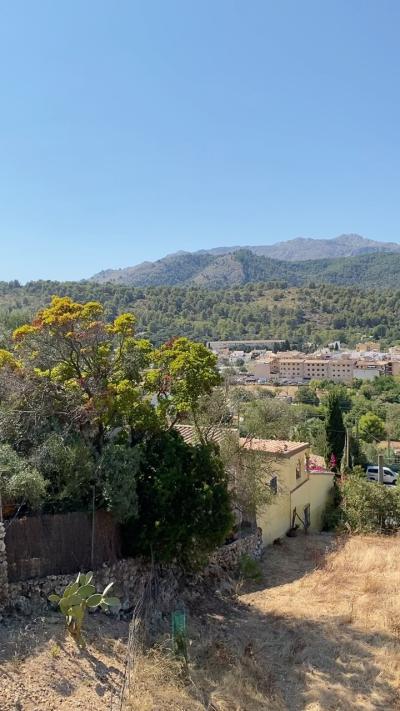
Many visitors arrive expecting heavy, elaborate dishes, but the true culinary heart of the island lies in its simple, fresh ingredients and the Mediterranean tradition of balanced flavors. Local food revolves around olive oil, often from the groves near Binissalem, which enriches everything from pa amb oli to tumbet, a vegetable stew that highlights seasonal produce. Herbs like rosemary and thyme grow wild along the Serra de Tramuntana, lending unmistakable aroma and depth to grilled meats and fish.
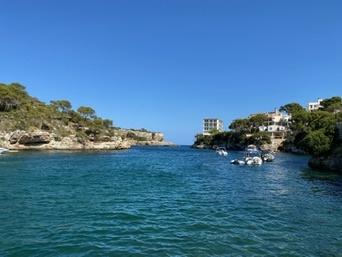
Seafood plays a starring role on most menus, especially in coastal towns such as Port de Sóller and Cala d’Or. Freshly caught fish, calamari, and lobster are usually grilled or baked with minimal seasoning to let the natural flavors shine. You’ll also find plenty of sobrassada, a cured sausage unique to the Balearics, and ensaimadas, the sugary spiral pastries beloved for breakfast or afternoon treats. Local wines from Binissalem pair beautifully with these dishes, while traditional Hierbas or Palo from the island offer distinct herbal notes to round off a meal.
Beyond the food, dining here is very much a social affair. In Palma cafés or Pollensa’s old town, sharing tapas-like dishes fosters a warm, communal vibe. Seasonal festivals such as Sant Sebastià or Festa de l’Ametler showcase how food and culture intertwine, celebrating everything from almonds to fresh fish. This Mediterranean heritage makes eating on the island a vibrant experience, where every meal feels connected to the land and sea that inspire it.
Seafood plays a starring role on most menus, especially in coastal towns such as Port de Sóller and Cala d’Or. Freshly caught fish, calamari, and lobster are usually grilled or baked with minimal seasoning to let the natural flavors shine. You’ll also find plenty of sobrassada, a cured sausage unique to the Balearics, and ensaimadas, the sugary spiral pastries beloved for breakfast or afternoon treats. Local wines from Binissalem pair beautifully with these dishes, while traditional Hierbas or Palo from the island offer distinct herbal notes to round off a meal.
Beyond the food, dining here is very much a social affair. In Palma cafés or Pollensa’s old town, sharing tapas-like dishes fosters a warm, communal vibe. Seasonal festivals such as Sant Sebastià or Festa de l’Ametler showcase how food and culture intertwine, celebrating everything from almonds to fresh fish. This Mediterranean heritage makes eating on the island a vibrant experience, where every meal feels connected to the land and sea that inspire it.
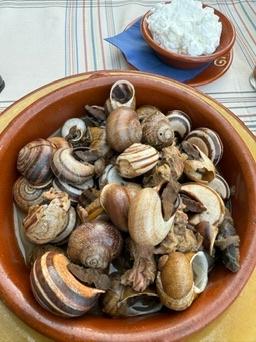
s'Horta
More Fotos