What unique architectural features can I expect to see in traditional Mallorcan town courtyards?
Similar Topics
mallorca courtyards
valldemossa architecture
mosaic tiles
wrought iron balconies
mediterranean design
pollença courtyards
moorish influence
stone walls
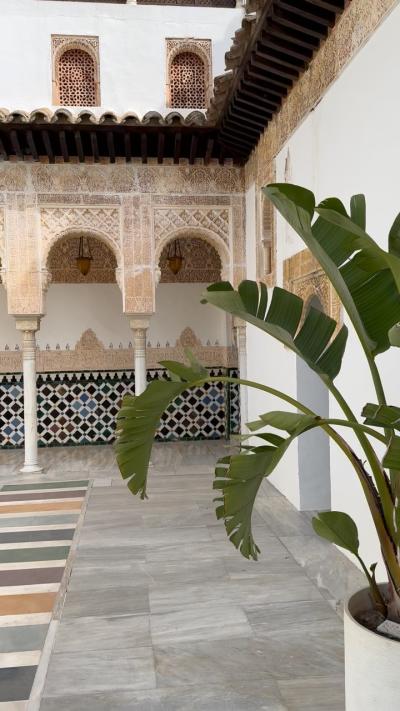
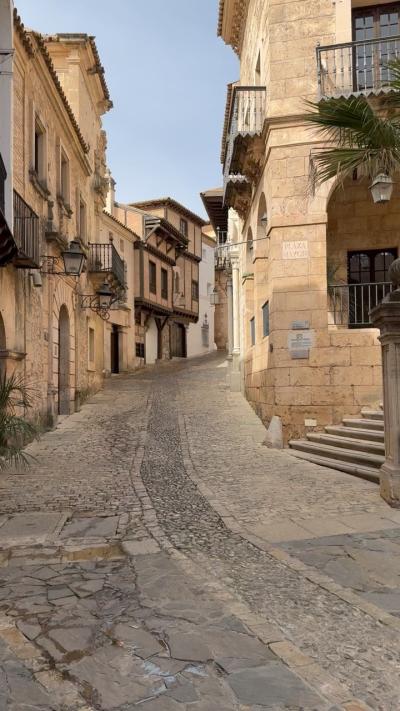
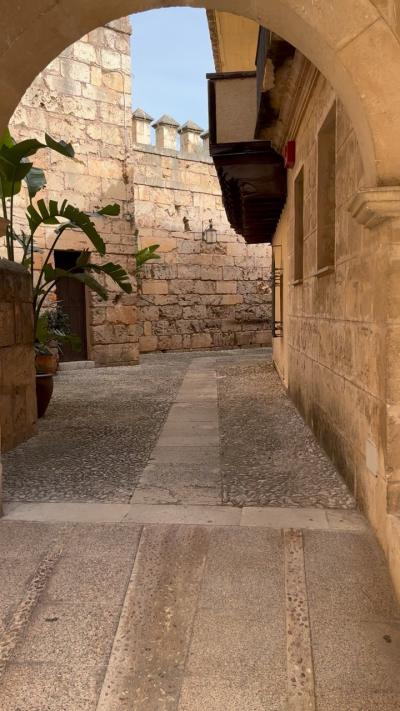
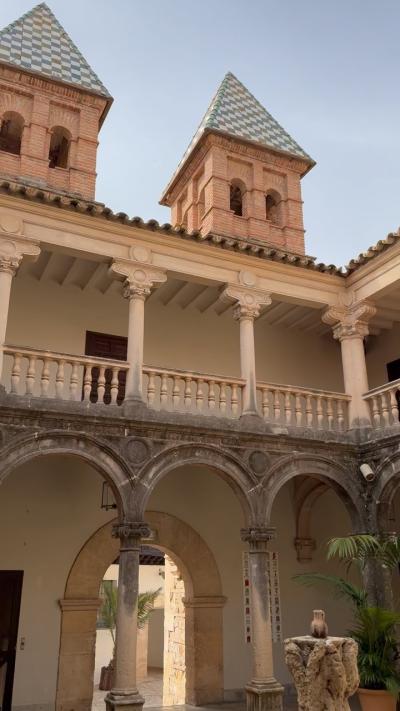
Wandering through the narrow streets of towns like Valldemossa and Pollença, you’ll discover that their courtyards are private retreats showcasing Mallorca’s rich architectural heritage. Stone walls, often built from local limestone, frame these intimate spaces, combining rustic charm with a timeless elegance. Many courtyards feature classic Moorish-inspired tilework—brightly colored ceramics arranged in intricate geometric patterns—on stair risers, fountain bases, or decorative panels.
Olive and orange trees often add dappled shade, while the scent of jasmine or bougainvillea emboldens the Mediterranean atmosphere. You might spot wrought-iron balconies or window grilles, which blend functional security with artistic flourish. The traditional wooden beams supporting shuttered roofs frequently show signs of age and craftsmanship, hinting at centuries of history.
In Palma’s old town, courtyards sometimes incorporate small fountains or water basins, a legacy of Arabic design, that add a peaceful, cooling presence. It’s typical to find terracotta pots filled with herbs like rosemary or lavender, providing both fragrance and a nod to local cuisine. These spaces feel simultaneously private and welcoming, reflecting the island’s blend of cultural influences and its celebration of indoor-outdoor living.
Olive and orange trees often add dappled shade, while the scent of jasmine or bougainvillea emboldens the Mediterranean atmosphere. You might spot wrought-iron balconies or window grilles, which blend functional security with artistic flourish. The traditional wooden beams supporting shuttered roofs frequently show signs of age and craftsmanship, hinting at centuries of history.
In Palma’s old town, courtyards sometimes incorporate small fountains or water basins, a legacy of Arabic design, that add a peaceful, cooling presence. It’s typical to find terracotta pots filled with herbs like rosemary or lavender, providing both fragrance and a nod to local cuisine. These spaces feel simultaneously private and welcoming, reflecting the island’s blend of cultural influences and its celebration of indoor-outdoor living.
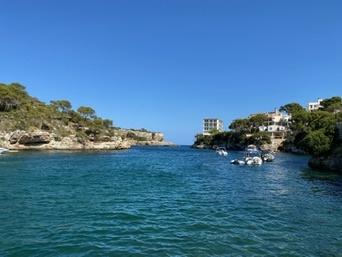
Cala Figuera
More Fotos