What role does the Mediterranean climate play in shaping Mallorca's flora?
Similar Topics
Mallorca flora
Mediterranean climate
Mallorca travel
vegetation diversity
Mediterranean scrub
Tramuntana mountains
native plant species
agricultural practices
Mallorca beaches
local produce
The Mediterranean climate of Mallorca is a significant factor in shaping the island's diverse and vibrant flora. Characterized by hot, dry summers and mild, wet winters, this climate creates a unique environment that supports a wide variety of plant species. The abundant sunshine and moderate rainfall during the winter months allow for a flourishing ecosystem, where both native and non-native plants thrive. As you explore the island, you'll notice the stunning landscapes, from the rugged cliffs of the Tramuntana mountains to the lush greenery of the valleys, all of which are products of this distinct climate.
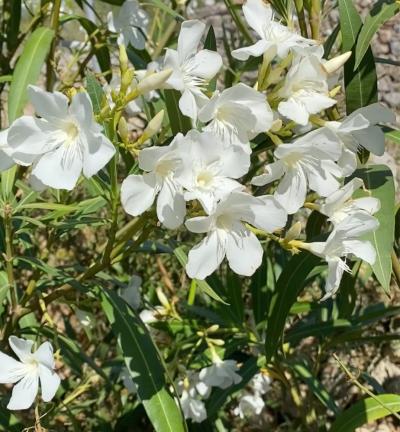
In Mallorca, you'll encounter a rich tapestry of vegetation, including aromatic herbs like rosemary and thyme, which are well-adapted to the dry conditions. The island is also home to numerous species of Mediterranean scrub, known as "maquis," which consists of evergreen shrubs that provide shelter and food for local wildlife. The coastline features a mixture of pine forests and coastal vegetation, such as oleander and sea lilies, which are perfectly suited to the saline environment. This variety not only contributes to the island's natural beauty but also makes it a paradise for those interested in botany or simply enjoying the great outdoors.
The Mediterranean climate has also influenced agricultural practices on the island. Traditional crops like olives, almonds, and vines thrive in the sunny, dry conditions, and you can find numerous orchards and vineyards dotted across the landscape. These agricultural areas not only enhance the island's scenic charm but also provide delicious local produce that you can savor in many of the island's eateries. Overall, Mallorca's Mediterranean climate is a vital component of its ecological identity, fostering a lush and diverse environment that captivates both locals and visitors alike.
In Mallorca, you'll encounter a rich tapestry of vegetation, including aromatic herbs like rosemary and thyme, which are well-adapted to the dry conditions. The island is also home to numerous species of Mediterranean scrub, known as "maquis," which consists of evergreen shrubs that provide shelter and food for local wildlife. The coastline features a mixture of pine forests and coastal vegetation, such as oleander and sea lilies, which are perfectly suited to the saline environment. This variety not only contributes to the island's natural beauty but also makes it a paradise for those interested in botany or simply enjoying the great outdoors.
The Mediterranean climate has also influenced agricultural practices on the island. Traditional crops like olives, almonds, and vines thrive in the sunny, dry conditions, and you can find numerous orchards and vineyards dotted across the landscape. These agricultural areas not only enhance the island's scenic charm but also provide delicious local produce that you can savor in many of the island's eateries. Overall, Mallorca's Mediterranean climate is a vital component of its ecological identity, fostering a lush and diverse environment that captivates both locals and visitors alike.
More Fotos

Related Questions
Related Question
How accessible is Cala s’Almunia for someone with mobility issues?
Related Question
What are some tips for finding the best deals on accommodations in Mallorca?
Related Question
Are there opportunities to interact with or feed animals during visits to nature reserves or farms in Mallorca?