How prevalent is the Catalan language in daily life and conversations across Mallorca?
Similar Topics
catalan mallorca
mallorqui dialect
palma conversations
serra de tramuntana
bilingual mallorca
mallorca festivals
local language mallorca
pa amb oli
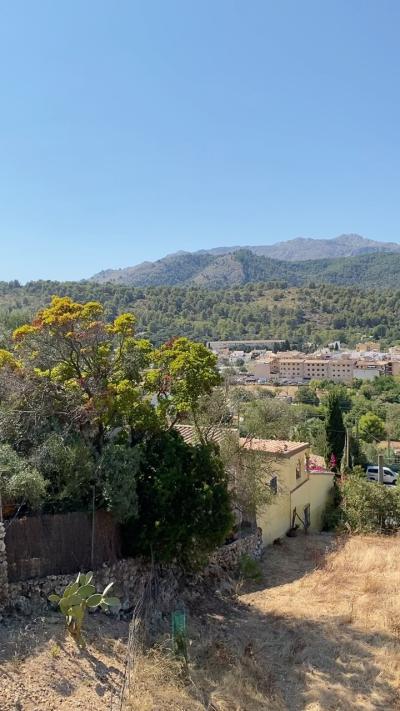
If you linger over a café table in Palma or pause beneath the shade of an almond tree in the hills near Valldemossa, you'll catch the melodic cadence of Catalan flowing easily in everyday chatter. While all locals speak Spanish, the island's own variety, Mallorquí, a dialect of Catalan, colors much of the conversation—particularly in villages like Sóller, Pollença, and Deià. Street signs, menus, and local broadcasts commonly appear in Catalan, reflecting a strong cultural pride that runs deep here.
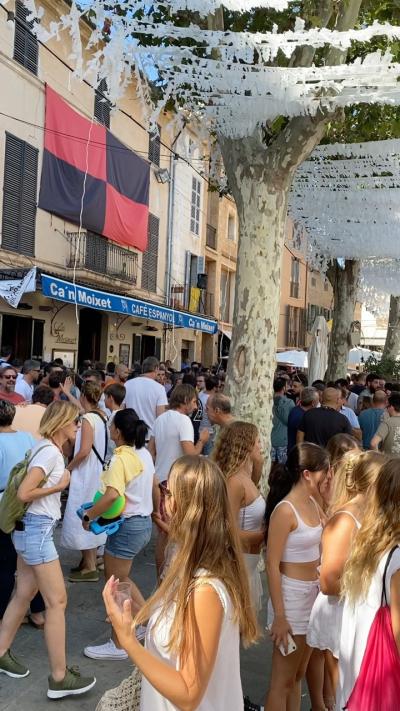
In towns and resorts alike, it's typical to hear a seamless switch between Spanish and Catalan depending on the situation, a bilingual rhythm that defines the island’s linguistic landscape. Many people see Catalan not just as a means of communication but as a vital thread connecting them to their heritage, from the bustling markets of Manacor to the quiet coves of Cala Mondragó. Visiting during festivals such as Sant Sebastià in Palma or the Festa de l'Ametler in Sóller can showcase this language come alive through speeches, songs, and street celebrations.
Making an effort to learn a few basic phrases in Catalan often earns genuine warmth from locals, deepening your immersion beyond the usual tourist interactions. Whether ordering a pa amb oli at a beachside chiringuito near Es Trenc or asking for directions on the Ma-13 road up to the Serra de Tramuntana, a sprinkle of Catalan enriches the experience and opens conversations that feel more authentic. This linguistic layer is a small but meaningful way to connect with the island’s vibrant culture and history.
In towns and resorts alike, it's typical to hear a seamless switch between Spanish and Catalan depending on the situation, a bilingual rhythm that defines the island’s linguistic landscape. Many people see Catalan not just as a means of communication but as a vital thread connecting them to their heritage, from the bustling markets of Manacor to the quiet coves of Cala Mondragó. Visiting during festivals such as Sant Sebastià in Palma or the Festa de l'Ametler in Sóller can showcase this language come alive through speeches, songs, and street celebrations.
Making an effort to learn a few basic phrases in Catalan often earns genuine warmth from locals, deepening your immersion beyond the usual tourist interactions. Whether ordering a pa amb oli at a beachside chiringuito near Es Trenc or asking for directions on the Ma-13 road up to the Serra de Tramuntana, a sprinkle of Catalan enriches the experience and opens conversations that feel more authentic. This linguistic layer is a small but meaningful way to connect with the island’s vibrant culture and history.

Cala Figuera
More Fotos