What public transportation options can I use to explore towns and beaches around Mallorca?
Similar Topics
mallorca public transport
tib buses
soller railway
palma metro
tramuntana villages
mallorca bike rental
es trenc beach
formentor
A small, telling detail for visitors is the rhythm of the TIB buses arriving and departing Palma’s Plaça d’Espanya, a hub that effortlessly links the city with the island’s diverse corners. With this network, reaching the white sands of Es Trenc or the picturesque harbor town of Port de Sóller requires no car, just some patience and a well-checked timetable. The TIB buses traverse main routes like the Ma-13, winding through Tramuntana villages such as Valldemossa and Deià, making it possible to hop between cultural landmarks and nature with ease.
For a more scenic journey, the historic Soller railway chugs from Palma to Sóller, a 20th-century train experience framed by orange groves and mountain views. This is a favorite for those who want to combine transport with exploration, ending at the Sóller port or connecting to the vintage tram heading down to the sea. Meanwhile, the Palma metro offers quick, modern transit across the city, ideal for visitors staying in the capital and venturing out for day trips.
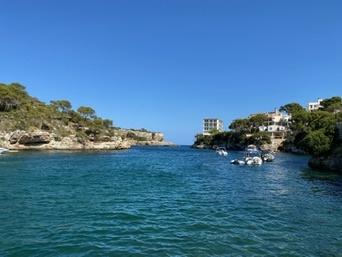
Cyclists also find many opportunities here, with rental shops available in towns like Alcúdia and Manacor, and quiet country lanes inviting slow-paced discovery of the island’s inland charms. For those inclined to taste regional specialties, scheduling travel to towns famed for local fare — such as pa amb oli in Pollença or a post-beach Hierbas in Formentor — is quite straightforward using public options. While some remote coves might still require a taxi or private transfer, the island’s improving transportation links ensure that most sites are accessible by sustainable means, allowing for a relaxed, car-free exploration of Mallorca’s unrivaled landscapes and heritage.
For a more scenic journey, the historic Soller railway chugs from Palma to Sóller, a 20th-century train experience framed by orange groves and mountain views. This is a favorite for those who want to combine transport with exploration, ending at the Sóller port or connecting to the vintage tram heading down to the sea. Meanwhile, the Palma metro offers quick, modern transit across the city, ideal for visitors staying in the capital and venturing out for day trips.
Cyclists also find many opportunities here, with rental shops available in towns like Alcúdia and Manacor, and quiet country lanes inviting slow-paced discovery of the island’s inland charms. For those inclined to taste regional specialties, scheduling travel to towns famed for local fare — such as pa amb oli in Pollença or a post-beach Hierbas in Formentor — is quite straightforward using public options. While some remote coves might still require a taxi or private transfer, the island’s improving transportation links ensure that most sites are accessible by sustainable means, allowing for a relaxed, car-free exploration of Mallorca’s unrivaled landscapes and heritage.

More Fotos