How has the tourism industry changed over the decades in Mallorca?
Similar Topics
Mallorca tourism
Mediterranean climate
sustainable travel
eco-friendly tourism
Mallorcan culture
Serra de Tramuntana
local gastronomy
authentic experiences
digital travel planning
social media travel trends
Over the decades, Mallorca has undergone a remarkable transformation in its tourism industry, evolving from a hidden gem into one of Europe’s most popular holiday destinations. In the mid-20th century, the island began to attract international visitors, particularly from the UK and Germany, thanks to its stunning beaches and idyllic Mediterranean climate. Early tourism was characterized by a more rustic charm, with small family-run accommodations and local eateries that offered an authentic taste of Mallorcan culture. As travel became more accessible and affordable, the island experienced a boom in mass tourism, leading to the construction of larger hotels and resorts to accommodate the growing influx of visitors.
In recent years, the tourism industry in Mallorca has shifted towards a more sustainable and diversified model. There is now a greater emphasis on preserving the island's natural beauty and cultural heritage. Initiatives promoting eco-friendly travel, local gastronomy, and authentic experiences have gained popularity. Visitors can now explore the stunning Serra de Tramuntana mountains, engage in wine and olive oil tastings, or immerse themselves in local festivals that celebrate Mallorcan traditions. This shift reflects a broader trend in global tourism where travelers increasingly seek meaningful connections and responsible travel options.
Furthermore, the rise of digital technology has transformed how tourists plan their trips. Online platforms allow for easy access to accommodation, tailored experiences, and user-generated reviews, enabling a more personalized travel approach. The impact of social media has also played a significant role, with many visitors sharing their experiences, which in turn influences travel trends. This modern landscape has encouraged local businesses to innovate and adapt, ensuring that Mallorca remains a vibrant and appealing destination while safeguarding its unique identity and natural resources for future generations.
In recent years, the tourism industry in Mallorca has shifted towards a more sustainable and diversified model. There is now a greater emphasis on preserving the island's natural beauty and cultural heritage. Initiatives promoting eco-friendly travel, local gastronomy, and authentic experiences have gained popularity. Visitors can now explore the stunning Serra de Tramuntana mountains, engage in wine and olive oil tastings, or immerse themselves in local festivals that celebrate Mallorcan traditions. This shift reflects a broader trend in global tourism where travelers increasingly seek meaningful connections and responsible travel options.
Furthermore, the rise of digital technology has transformed how tourists plan their trips. Online platforms allow for easy access to accommodation, tailored experiences, and user-generated reviews, enabling a more personalized travel approach. The impact of social media has also played a significant role, with many visitors sharing their experiences, which in turn influences travel trends. This modern landscape has encouraged local businesses to innovate and adapt, ensuring that Mallorca remains a vibrant and appealing destination while safeguarding its unique identity and natural resources for future generations.
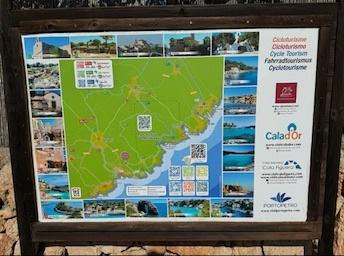
Cala Figuera
More Fotos






Related Questions
Related Question
Are there bike or scooter rentals available to explore Palma's seafront and nearby towns?
Related Question
What scenic viewpoints can I find close to Cap Enderrocat that offer a great perspective of the landscape?
Related Question
What kinds of organized events and activities take place during the summer in the Tramuntana mountains and nearby towns?