What safety precautions should I follow when snorkeling around Mallorca's coves?
Similar Topics
mallorca snorkeling
snorkeling safety
cala mondrago
formentor snorkeling
posidonia protection
reef safe sunscreen
snorkeling gear
southern coves
The crystal-clear waters around Cala Mondragó and Formentor reveal vibrant marine life, but it’s important to keep safety in mind while exploring beneath the surface. Before setting out, check the local sea conditions—tides, currents, and visibility can vary, particularly along the more exposed north coast near Cap de Formentor or the southern stretch by Es Trenc. These areas can have stronger currents, so less experienced snorkelers might prefer the sheltered coves near Cala Llombards or the calm bay of Port de Soller.
Wearing well-fitting fins and masks is essential for comfort and safety, especially when navigating rocky seabeds or hidden patches of Posidonia. It’s a good idea to practice breathing through your snorkel in shallow water first, perhaps off the Pont del Rei in Port de Pollenca. Snorkeling with a partner not only enhances the experience but provides extra security in case of fatigue or unforeseen issues. Keep to shallow waters close to shore or guided boat tours when unsure.
Respect for the marine environment is paramount. The Posidonia seagrass meadows around the island are a protected habitat; avoid touching or disturbing them as well as the colorful fish and small octopuses you may see. Stings from jellyfish are uncommon but possible in summer, so stay alert. Also, Mallorca’s Mediterranean sun is strong—wearing a reef-safe sunscreen protects both your skin and underwater ecosystems. With these precautions, the island’s underwater world can be a safe and unforgettable delight.
Wearing well-fitting fins and masks is essential for comfort and safety, especially when navigating rocky seabeds or hidden patches of Posidonia. It’s a good idea to practice breathing through your snorkel in shallow water first, perhaps off the Pont del Rei in Port de Pollenca. Snorkeling with a partner not only enhances the experience but provides extra security in case of fatigue or unforeseen issues. Keep to shallow waters close to shore or guided boat tours when unsure.
Respect for the marine environment is paramount. The Posidonia seagrass meadows around the island are a protected habitat; avoid touching or disturbing them as well as the colorful fish and small octopuses you may see. Stings from jellyfish are uncommon but possible in summer, so stay alert. Also, Mallorca’s Mediterranean sun is strong—wearing a reef-safe sunscreen protects both your skin and underwater ecosystems. With these precautions, the island’s underwater world can be a safe and unforgettable delight.
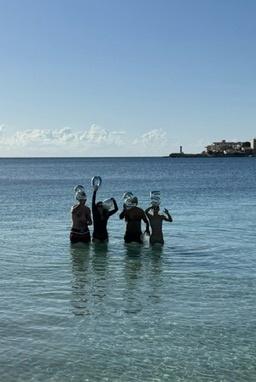
Colònia de Sant Jordi
More Fotos






