How accessible are Mallorca’s main landmarks for travelers with mobility challenges?
Similar Topics
mallorca accessibility
wheelchair-friendly sites
accessible palma
serra de tramuntana
tib buses accessible
soller railway access
es trenc accessibility
guided tours mobility
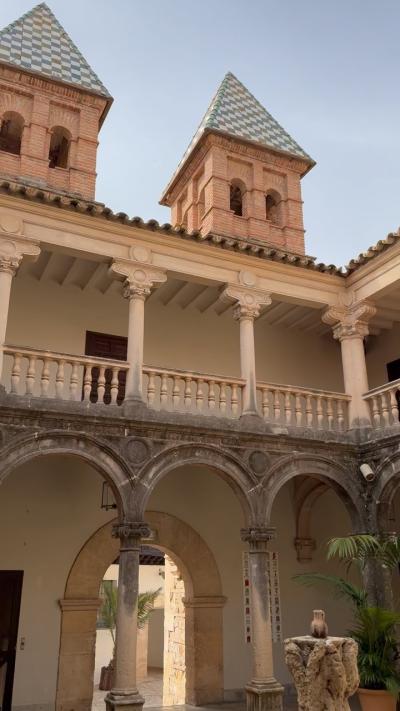
The scent of pine and the distant sound of waves often accompany visits to Mallorca’s historical and cultural sites, but accessibility can vary widely across the island. In Palma, key attractions like the Catedral de Mallorca and the Museu Fundación Juan March have taken significant steps to improve access, featuring ramps, elevators, and accessible restrooms. Meanwhile, the Soller railway offers some assistance for wheelchair users, although the vintage nature of the train means advance planning is advised.
Rural locations such as Valldemossa or Deià, nestled in the Serra de Tramuntana, often present more of a challenge due to narrow, uneven paths and historic buildings not designed for mobility aids. However, popular beaches like Es Trenc or Cala Mondragó have made efforts to accommodate visitors with accessible boardwalks and designated parking spots. The island’s public transport, including the TIB bus network, frequently operates low-floor buses and has accessible stops across Palma and some larger towns.
If you rely on a wheelchair or have other mobility concerns, it’s best to contact local tourist offices or specific venues beforehand to confirm available facilities and request assistance. Guided tours tailored for visitors with limited mobility can be arranged in Palma and the north coast, ensuring you don’t miss the al fresco markets, traditional cuisine, or stunning views from Formentor. With some preparation, navigating the island’s blend of urban charm and rugged landscape can be both comfortable and memorable.
Rural locations such as Valldemossa or Deià, nestled in the Serra de Tramuntana, often present more of a challenge due to narrow, uneven paths and historic buildings not designed for mobility aids. However, popular beaches like Es Trenc or Cala Mondragó have made efforts to accommodate visitors with accessible boardwalks and designated parking spots. The island’s public transport, including the TIB bus network, frequently operates low-floor buses and has accessible stops across Palma and some larger towns.
If you rely on a wheelchair or have other mobility concerns, it’s best to contact local tourist offices or specific venues beforehand to confirm available facilities and request assistance. Guided tours tailored for visitors with limited mobility can be arranged in Palma and the north coast, ensuring you don’t miss the al fresco markets, traditional cuisine, or stunning views from Formentor. With some preparation, navigating the island’s blend of urban charm and rugged landscape can be both comfortable and memorable.

Cala Figuera
More Fotos