How do locals in Mallorca generally treat visitors with reduced mobility?
Similar Topics
reduced mobility mallorca
accessible travel mallorca
mallorca public transport
serra de tramuntana
palma accessibility
mallorca inclusive tourism
accessible beaches mallorca
local support travelers
Many visitors arrive expecting challenges navigating the island’s varied terrain, but they often find that local attitudes are surprisingly considerate and welcoming. In towns like Palma and Alcudia, where tourism is a key part of the economy, locals understand the importance of accessibility and usually show a helpful and patient approach. Whether you’re using the Palma metro or boarding the historic Soller train, staff and fellow passengers generally do their best to assist. This sense of community support extends beyond the bigger towns as well, with people in places like Pollenca and Valldemossa offering genuine kindness to those who need a hand.
Infrastructure across the island has improved steadily, especially around popular spots such as Es Trenc beach and Formentor. Many leading hotels, restaurants, and public buildings have installed ramps, elevators, and specially adapted facilities to welcome travellers with reduced mobility. However, the Serra de Tramuntana’s rugged landscape and narrow paths can present some inevitable limits — off-road itineraries and certain remote coves like Cala Llombards may not be fully accessible, but locals often suggest alternative routes or less demanding sights. Shops and cafés commonly display their accessibility features openly, and staff usually speak enough English and Spanish to facilitate friendly communication.
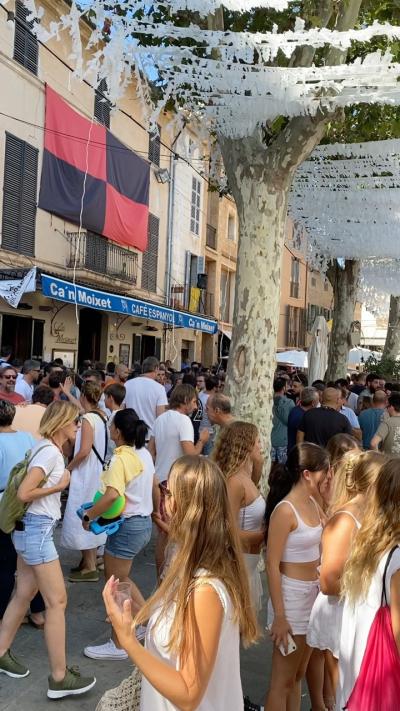
Though smaller villages and countryside areas might offer fewer formal amenities, the warmth of the people more than makes up for it. During island festivals like Sant Sebastià in Palma or the Festa de l'Ametler near Inca, locals are especially welcoming, happy to engage and help visitors feel part of the celebration. It’s a good idea to mention any specific needs when booking or upon arrival — this often unlocks extra assistance, from arranging accessible transport on the TIB bus routes to guiding you toward the most convenient dining spots serving local treats like pa amb oli or sobrassada. Ultimately, the general spirit on the island leans towards inclusivity, making it a rewarding destination for travellers of all abilities.
Infrastructure across the island has improved steadily, especially around popular spots such as Es Trenc beach and Formentor. Many leading hotels, restaurants, and public buildings have installed ramps, elevators, and specially adapted facilities to welcome travellers with reduced mobility. However, the Serra de Tramuntana’s rugged landscape and narrow paths can present some inevitable limits — off-road itineraries and certain remote coves like Cala Llombards may not be fully accessible, but locals often suggest alternative routes or less demanding sights. Shops and cafés commonly display their accessibility features openly, and staff usually speak enough English and Spanish to facilitate friendly communication.
Though smaller villages and countryside areas might offer fewer formal amenities, the warmth of the people more than makes up for it. During island festivals like Sant Sebastià in Palma or the Festa de l'Ametler near Inca, locals are especially welcoming, happy to engage and help visitors feel part of the celebration. It’s a good idea to mention any specific needs when booking or upon arrival — this often unlocks extra assistance, from arranging accessible transport on the TIB bus routes to guiding you toward the most convenient dining spots serving local treats like pa amb oli or sobrassada. Ultimately, the general spirit on the island leans towards inclusivity, making it a rewarding destination for travellers of all abilities.
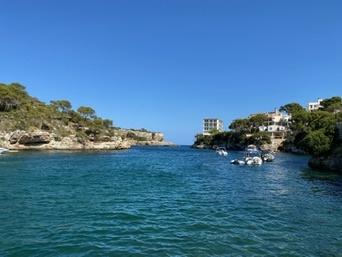
Cala Figuera
More Fotos
Related Questions
Related Question
Are there any family-friendly hotels in Playa de Palma with activities for kids?
Related Question
Is it possible to purchase bus and train tickets on Mallorca before my trip or only on the day I travel?
Related Question
Are there any hidden coves near Sa Rapita that are worth exploring?