What is the local attitude toward tourists at Mallorca's beaches?
Similar Topics
mallorca beaches
local attitude
tourism impact
responsible tourism
serra de tramuntana
tib bus network
beach conservation
mallorca culture
The relationship between locals and visitors along Mallorca's coastline is shaped by a long history of balancing tradition with change. Many communities, from the fishing villages of Port de Sóller to the resort towns near Playa de Palma, recognize the important role tourism plays in sustaining the local economy. Businesses thrive on the influx of visitors, supporting everything from family-run restaurants serving pa amb oli and sobrassada to artisanal shops selling ensaimadas.
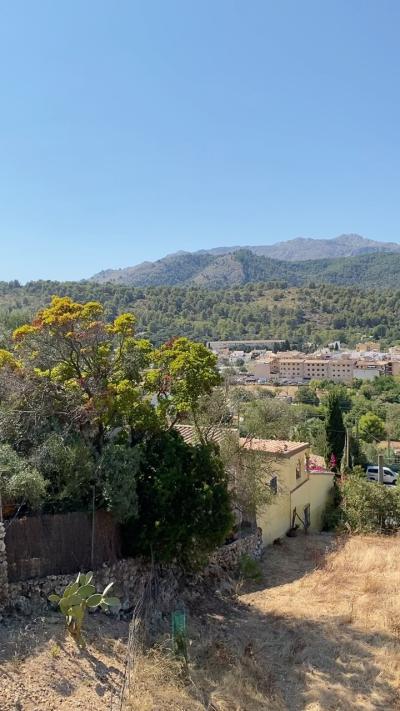
At the same time, Mallorcans are proud guardians of their natural heritage, particularly the crystal-clear waters of Formentor and the secluded coves like Cala Mondragó. This pride fosters a desire to protect these places from overcrowding and environmental stress. Residents often welcome tourists who come with respect for the landscape, local customs, and the quieter pace of life found in spots like Valldemossa or along the Serra de Tramuntana.
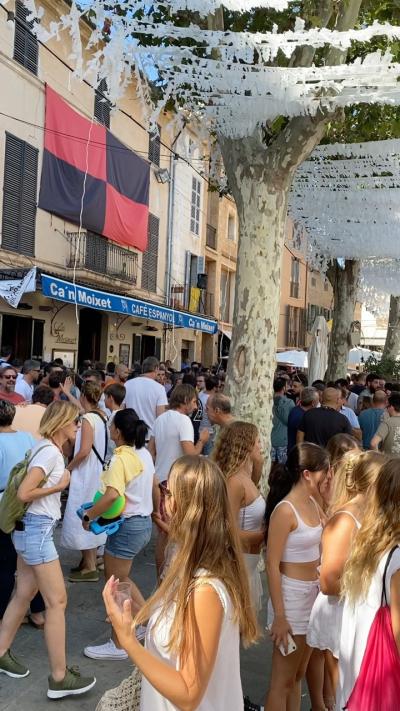
Concerns do arise, particularly in areas like Es Trenc, where the ecological balance is delicate and popular beaches can feel crowded during peak season. Many locals advocate for responsible tourism initiatives, encouraging visitors to use the TIB bus network or the Soller railway to reduce traffic on the narrow Ma-10 and Ma-13 roads. Festivals such as Sant Sebastià and the Festa de l’Ametler offer authentic glimpses of island culture, where tourists and residents mingle in celebration.
Ultimately, the prevailing sentiment is one of cautious hospitality: an openness to sharing the island’s treasures, provided visitors honor the environment and the community’s way of life. This mutual respect helps preserve the special charm of Mallorca’s shores for generations to come.
At the same time, Mallorcans are proud guardians of their natural heritage, particularly the crystal-clear waters of Formentor and the secluded coves like Cala Mondragó. This pride fosters a desire to protect these places from overcrowding and environmental stress. Residents often welcome tourists who come with respect for the landscape, local customs, and the quieter pace of life found in spots like Valldemossa or along the Serra de Tramuntana.
Concerns do arise, particularly in areas like Es Trenc, where the ecological balance is delicate and popular beaches can feel crowded during peak season. Many locals advocate for responsible tourism initiatives, encouraging visitors to use the TIB bus network or the Soller railway to reduce traffic on the narrow Ma-10 and Ma-13 roads. Festivals such as Sant Sebastià and the Festa de l’Ametler offer authentic glimpses of island culture, where tourists and residents mingle in celebration.
Ultimately, the prevailing sentiment is one of cautious hospitality: an openness to sharing the island’s treasures, provided visitors honor the environment and the community’s way of life. This mutual respect helps preserve the special charm of Mallorca’s shores for generations to come.

Cala Figuera
More Fotos