How has the winemaking process evolved in Mallorca over the years?
Similar Topics
Mallorca winemaking
indigenous grape varieties
Manto Negro
Callet
sustainable wine practices
organic farming Mallorca
wine tourism Mallorca
Mallorca wineries
quality wines
wine competitions
The winemaking process in Mallorca has undergone significant transformations over the years, reflecting both the island's rich history and the modern demands of wine enthusiasts. Traditionally, Mallorca was known primarily for producing bulk wine, often consumed locally. However, as the global wine market expanded and tourists began to flock to the island, winemakers started to embrace quality over quantity. This shift has led to a renewed focus on indigenous grape varieties, such as Manto Negro and Callet, which showcase the unique terroir of the island. These grapes thrive in Mallorca's diverse microclimates, allowing for a range of flavors and styles that appeal to both local palates and international wine lovers.
In recent years, the introduction of innovative techniques and sustainable practices has further enhanced the winemaking process. Many wineries have adopted organic and biodynamic farming methods, prioritizing environmental stewardship while producing high-quality wines. This commitment to sustainability not only elevates the wines but also resonates with a growing number of consumers who value eco-friendly practices. The island's winemakers have also started to experiment with aging techniques and blending, resulting in a more diverse array of wines that can compete on the global stage.
Moreover, the rise of wine tourism in Mallorca has played a crucial role in this evolution. Wineries are now more accessible to visitors, offering tastings, tours, and workshops that immerse guests in the winemaking process. This interaction fosters a deeper appreciation for the craftsmanship involved and encourages local producers to continuously innovate. As a result, Mallorca's wine scene is not only thriving but also increasingly recognized at wine competitions worldwide, solidifying its reputation as a destination for quality wines. The journey from modest beginnings to a vibrant wine culture reflects the island's dedication to preserving its heritage while embracing the future.
In recent years, the introduction of innovative techniques and sustainable practices has further enhanced the winemaking process. Many wineries have adopted organic and biodynamic farming methods, prioritizing environmental stewardship while producing high-quality wines. This commitment to sustainability not only elevates the wines but also resonates with a growing number of consumers who value eco-friendly practices. The island's winemakers have also started to experiment with aging techniques and blending, resulting in a more diverse array of wines that can compete on the global stage.
Moreover, the rise of wine tourism in Mallorca has played a crucial role in this evolution. Wineries are now more accessible to visitors, offering tastings, tours, and workshops that immerse guests in the winemaking process. This interaction fosters a deeper appreciation for the craftsmanship involved and encourages local producers to continuously innovate. As a result, Mallorca's wine scene is not only thriving but also increasingly recognized at wine competitions worldwide, solidifying its reputation as a destination for quality wines. The journey from modest beginnings to a vibrant wine culture reflects the island's dedication to preserving its heritage while embracing the future.
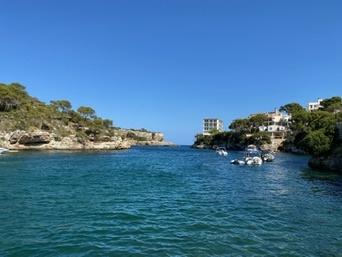
Cala Figuera
More Fotos