Can I volunteer on organic farms during my stay in Mallorca?
Similar Topics
volunteer farms mallorca
organic farming mallorca
wwoof mallorca
mallorca farmstay
serra de tramuntana
binissalem wine
tib buses mallorca
sobrassada experience
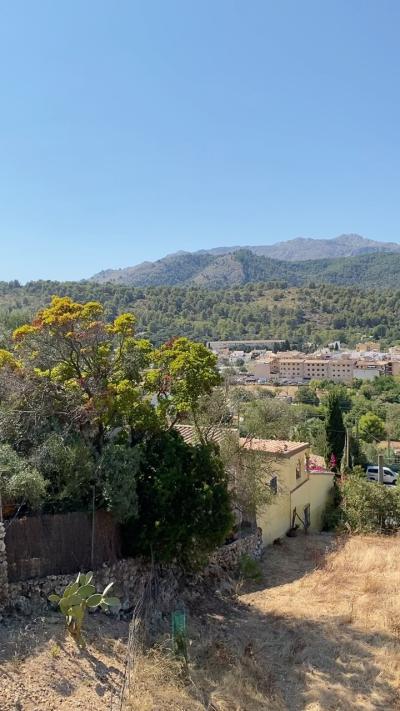
Spring and early autumn bring the best chance to join organic farming projects around the island, when planting and harvesting demand hands-on help. Numerous fincas nestled in the Serra de Tramuntana and inland near towns like Manacor and Algaida welcome volunteers looking to engage with Mallorca’s rural traditions and sustainable agriculture. Through networks similar to WWOOF, you can work in exchange for lodging and meals, offering a genuine farmstay experience among almond groves, olive trees, and vegetable plots.
Expect to participate in tasks such as pruning, picking local produce like artichokes and tomatoes, or caring for free-ranging livestock. These farms often focus on organic methods, avoiding pesticides and working in harmony with the Mediterranean climate. Beyond the practical work, there’s usually an opportunity to learn about traditional Mallorcan recipes—perhaps a cooking session featuring sobrassada or pa amb oli—and sample local products like Binissalem wine or herbal liqueurs such as Hierbas.
Getting involved not only deepens appreciation for the island’s agricultural heritage but also connects you with locals passionate about preserving their land. Many farmsteads are accessible by the TIB bus network or a short drive from Palma or rural hubs like Soller. It’s worth reaching out well ahead of your visit since volunteer spots fill up, especially during the months when the Festa de l’Ametler or the grape harvest energize the countryside. This form of travel cultivates a meaningful link to the island’s environment and culture beyond typical sightseeing.
Expect to participate in tasks such as pruning, picking local produce like artichokes and tomatoes, or caring for free-ranging livestock. These farms often focus on organic methods, avoiding pesticides and working in harmony with the Mediterranean climate. Beyond the practical work, there’s usually an opportunity to learn about traditional Mallorcan recipes—perhaps a cooking session featuring sobrassada or pa amb oli—and sample local products like Binissalem wine or herbal liqueurs such as Hierbas.
Getting involved not only deepens appreciation for the island’s agricultural heritage but also connects you with locals passionate about preserving their land. Many farmsteads are accessible by the TIB bus network or a short drive from Palma or rural hubs like Soller. It’s worth reaching out well ahead of your visit since volunteer spots fill up, especially during the months when the Festa de l’Ametler or the grape harvest energize the countryside. This form of travel cultivates a meaningful link to the island’s environment and culture beyond typical sightseeing.

Cala Figuera
More Fotos