Is it difficult for non-Spanish speakers to use the public buses and transportation network in Mallorca?
Similar Topics
mallorca bus network
tib buses
public transport mallorca
palma metro
soller railway
english bus info
tramuntana transport
tib app
Getting around the island by public transport is quite accessible even if you don’t speak Spanish. The TIB bus network covers key towns like Palma, Alcúdia, and Pollensa as well as popular beaches such as Es Trenc and Cala Mondragó. Many main stops and routes provide information in both Spanish and English, and timetables are usually clear enough to plan your trips without much hassle. Apps like Google Maps or the TIB app itself offer real-time schedules, which can be particularly helpful when navigating routes along the winding Serra de Tramuntana or rural areas around Valldemossa and Deià.
In Palma, the metro and the historic Soller railway add convenient alternatives to buses. The Soller line is especially welcoming to tourists and has staff who often speak English. If you’re unsure about connections or need assistance, locals in towns like Manacor or Soller are generally friendly and ready to help, even if communication relies on gestures or a translation app. Learning a few transportation-related phrases in Spanish or Catalan, such as “¿Dónde está la parada?” (Where is the stop?), can smooth your experience.
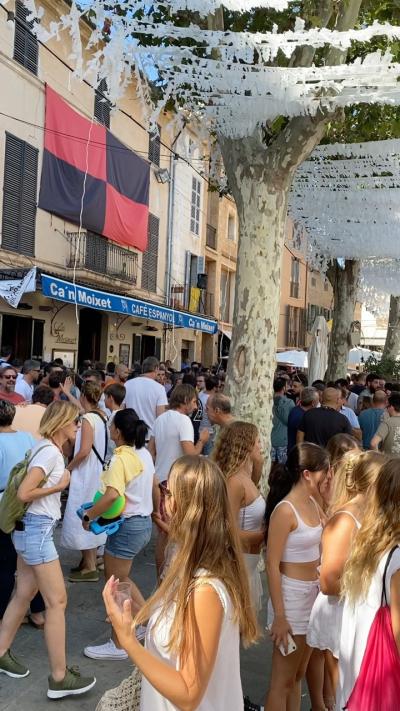
Since some routes along the Ma-13 and Ma-19 roads serve remote coves or mountain villages, checking the latest timetable ahead of time is wise. For first-time visitors feeling cautious, guided bus tours or private transfers can help build confidence before trying the public network solo. With some preparation and patience, public transport offers an authentic way to explore everything from the bustling streets of Palma to the tranquil beaches of Formentor and the festive atmosphere of local events like Nit de Foc.
In Palma, the metro and the historic Soller railway add convenient alternatives to buses. The Soller line is especially welcoming to tourists and has staff who often speak English. If you’re unsure about connections or need assistance, locals in towns like Manacor or Soller are generally friendly and ready to help, even if communication relies on gestures or a translation app. Learning a few transportation-related phrases in Spanish or Catalan, such as “¿Dónde está la parada?” (Where is the stop?), can smooth your experience.
Since some routes along the Ma-13 and Ma-19 roads serve remote coves or mountain villages, checking the latest timetable ahead of time is wise. For first-time visitors feeling cautious, guided bus tours or private transfers can help build confidence before trying the public network solo. With some preparation and patience, public transport offers an authentic way to explore everything from the bustling streets of Palma to the tranquil beaches of Formentor and the festive atmosphere of local events like Nit de Foc.

Cala Figuera
More Fotos