When is the best time to take a helicopter tour in Mallorca for the clearest views?
- Mallorca helicopter tour
- Serra de tramuntana
- Spring helicopter views
- Autumn flights mallorca
- Es trenc aerial
- Formentor helicopter tour
- Palma scenic flights
- Mallorca aerial photography
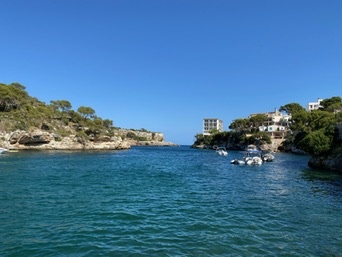
The first rays of the day often reveal a shimmer along the Serra de Tramuntana ridges that indicates perfect conditions for a flight. Late spring, especially from April into June, usually brings the most verdant landscapes, with almond and orange blossoms still in season near Valldemossa and Deia, contrasting beautifully against the deep blue Mediterranean. The air tends to be crisp and clear after mild spring rains, making it ideal for panoramic views over Palma’s old town, the jagged coastline near Cala Llombards, and the sprawling salt flats at Es Trenc.
As summer settles in, the island’s rugged charm remains visible, though heat haze occasionally softens distant vistas from the air. Early autumn is another prime window—September and October see a dip in temperature and tourist crowds, with softer golden light illuminating ancient hilltop villages like Pollenca and the pine-clad peninsula of Formentor. Visibility is often excellent during these months, especially on calm mornings, allowing pilots to navigate effortlessly along the Ma-10 and Ma-13 roads, revealing hidden coves and terracotta roofs far below.
Winter flights are less frequent due to shorter daylight and the chance of unsettled weather, but clear crisp days can reveal the island’s dramatic contrasts—from the sparkling Mediterranean to the rugged Tramuntana peaks dusted with rare snow. Planning a trip around local festivals like Sant Sebastià in Palma or Nit de Foc can add an unforgettable element when seen from above, with fireworks lighting up the night sky. Ultimately, embracing early morning or late afternoon flights during spring or autumn, when the light is most flattering and the island is at its most tranquil, offers the best chance to absorb Mallorca’s unique beauty from the air.