What role did the monastery play in the history of Mallorca?
Similar Topics
Mallorca monasteries
Lluc Monastery
Mallorca history
medieval Mallorca
pilgrimage sites Mallorca
Mallorca architecture
Gothic Baroque Mallorca
Mallorca agriculture
spiritual life Mallorca
Mallorca cultural identity
The monasteries of Mallorca have played a significant role in shaping the island's cultural and historical landscape. Dating back to the medieval period, these religious institutions served as centers of spiritual life, education, and community support. Many of the monasteries, such as the renowned Lluc Monastery established in the 13th century, became pilgrimage sites for both locals and visitors, fostering a sense of unity among the island's inhabitants. These places not only provided a sanctuary for worship but also acted as hubs for the dissemination of knowledge, as monks often engaged in the preservation and copying of texts, contributing to the intellectual life of Mallorca.
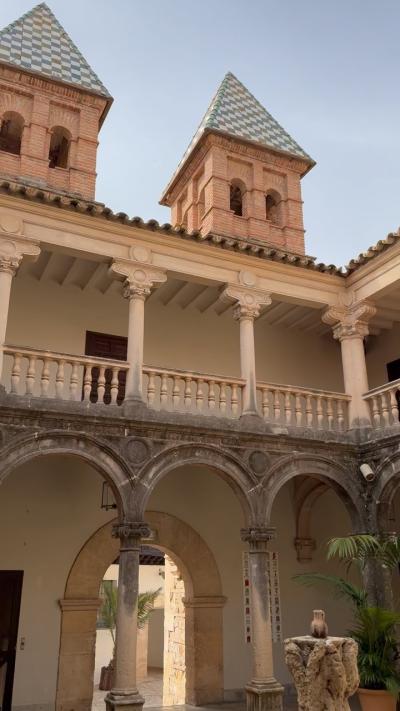
Additionally, the monasteries influenced the island's economy and agriculture. They owned vast tracts of land, which they cultivated, and many monasteries were involved in the production of wine, olive oil, and other goods. This agricultural activity helped sustain local communities and contributed to the island's economy throughout the centuries. The architectural styles of these monasteries, blending Gothic and Baroque elements, reflect the historical evolution of Mallorca itself, showcasing the island's transitions through various cultural influences over time.
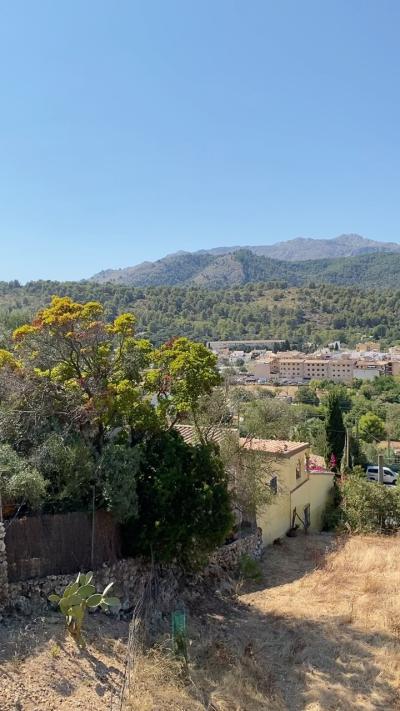
Today, the monasteries remain vital to Mallorca's identity, attracting visitors eager to explore their rich history and serene surroundings. Many offer stunning views of the surrounding landscapes and are often set in picturesque locations, making them popular spots for both spiritual reflection and outdoor activities. As you visit these historical sites, you can appreciate not only their architectural beauty but also the deep-rooted traditions and stories that continue to resonate in Mallorca's vibrant culture.
Additionally, the monasteries influenced the island's economy and agriculture. They owned vast tracts of land, which they cultivated, and many monasteries were involved in the production of wine, olive oil, and other goods. This agricultural activity helped sustain local communities and contributed to the island's economy throughout the centuries. The architectural styles of these monasteries, blending Gothic and Baroque elements, reflect the historical evolution of Mallorca itself, showcasing the island's transitions through various cultural influences over time.
Today, the monasteries remain vital to Mallorca's identity, attracting visitors eager to explore their rich history and serene surroundings. Many offer stunning views of the surrounding landscapes and are often set in picturesque locations, making them popular spots for both spiritual reflection and outdoor activities. As you visit these historical sites, you can appreciate not only their architectural beauty but also the deep-rooted traditions and stories that continue to resonate in Mallorca's vibrant culture.

Cala Figuera
More Fotos