What local activities and experiences in Mallorca might inspire visitors today?
Similar Topics
mallorca activities
serra de tramuntana
sant sebastia festival
local markets
sobrassada
binissalem wine
es trenc beach
tumbet dish
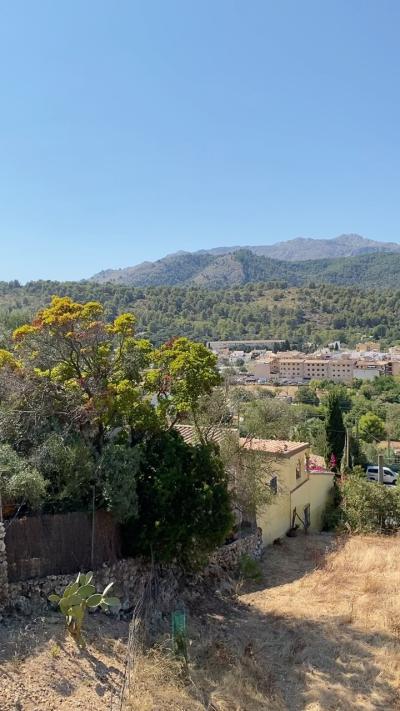
The early morning light filtering through pine trees along the Serra de Tramuntana sets a perfect backdrop for walkers and cyclists tracing winding trails above towns like Sóller and Valldemossa. Discovering hidden coves such as Cala Mondragó or the white sands of Es Trenc invites a connection with nature that’s hard to match elsewhere. Travelers often find inspiration here in leisurely hikes or quiet moments beside turquoise waters, where the tranquillity fosters a welcome escape from everyday life.
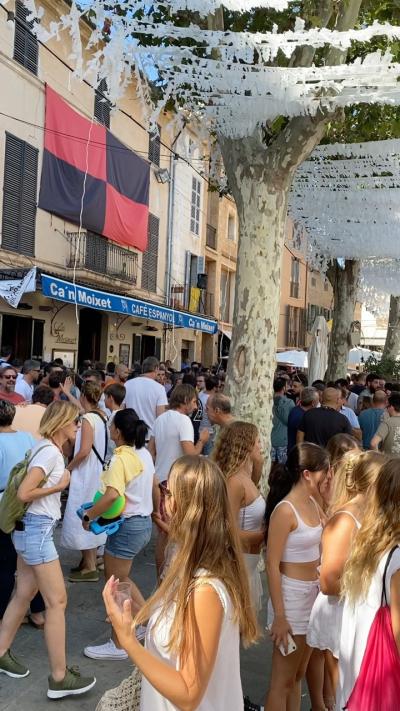
Immersing oneself in Mallorca’s cultural rhythm offers equally rich rewards. Attending the vibrant Sant Sebastià festival in Palma or witnessing the fiery spectacle of the Nit de Foc in Sóller reveals centuries-old traditions brought to life with music, dance, and community spirit. Artisan markets in towns like Pollença provide a chance to see craftspeople at work and sample local products, while cooking classes teach how to prepare specialties such as tumbet or pa amb oli using fresh island ingredients.
Culinary experiences on the island are a voyage onto their own, with many visitors drawn to family-run restaurants serving sobrassada alongside a glass of Binissalem wine or finishing a meal with an ensaimada pastry. Whether savouring a herbal digestif like Hierbas or Palo or joining a food tour through Palma’s bustling markets, these flavors deepen the visitor’s bond with the island’s heritage. Such activities provide a vibrant, sensory journey that can inspire anyone eager to understand not just a place, but its people and stories.
Immersing oneself in Mallorca’s cultural rhythm offers equally rich rewards. Attending the vibrant Sant Sebastià festival in Palma or witnessing the fiery spectacle of the Nit de Foc in Sóller reveals centuries-old traditions brought to life with music, dance, and community spirit. Artisan markets in towns like Pollença provide a chance to see craftspeople at work and sample local products, while cooking classes teach how to prepare specialties such as tumbet or pa amb oli using fresh island ingredients.
Culinary experiences on the island are a voyage onto their own, with many visitors drawn to family-run restaurants serving sobrassada alongside a glass of Binissalem wine or finishing a meal with an ensaimada pastry. Whether savouring a herbal digestif like Hierbas or Palo or joining a food tour through Palma’s bustling markets, these flavors deepen the visitor’s bond with the island’s heritage. Such activities provide a vibrant, sensory journey that can inspire anyone eager to understand not just a place, but its people and stories.

Cala Figuera
More Fotos