How do the beaches along Mallorca’s east coast compare with those on the west in terms of sand and water conditions?
- Mallorca beaches
- East coast sand
- West coast water
- Cala mondrago
- Serra de tramuntana
- Calon llombards
- Formentor beach
- Beach swimming
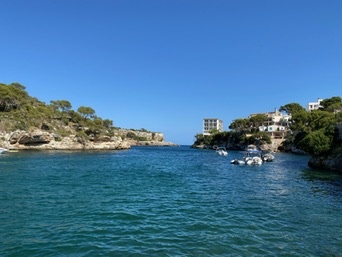
The east coast features some of the island’s most iconic beaches, such as Cala Mondrago and Cala Llombards, known for their powdery white and golden sands, which are soft underfoot and perfect for lounging. The waters here tend to be calmer and warmer, ideal for swimming and snorkeling, with gentle waves lapping against the shore. These beaches are often sheltered by rocky coves, providing a tranquil atmosphere that draws families and sun-seekers alike. The clarity of the turquoise water enhances the serene vibe, especially in protected spots like Cala Varques or near Porto Cristo.
On the west coast, near charming towns like Soller and Deia, the beaches can feel more rugged and dramatic, set against the backdrop of the Serra de Tramuntana mountains. Sand here is sometimes coarser and mixed with pebble, particularly on the pebble-strewn beaches like Cala Tuent. The water along this coastline is cooler and often more dynamic, with stronger waves, making it popular with swimmers looking for a refreshing dip and kayakers exploring hidden coves. Formentor Beach, on the northern tip, offers fine white sand but the sea can be noticeably cooler due to the exposure to open water and sea breezes. Both coasts provide distinct seaside experiences, whether you prefer the sun-soaked stillness of Es Trenc and its east coast neighbors or the natural drama and fresh mountain air of the west.