How do popular sites on Mallorca handle visitor crowds during the busy summer months versus quieter seasons?
Similar Topics
mallorca attractions
crowd management
high season travel
off-season tourism
timed entry
sobrassada
serra de tramuntana
tib bus
Many of the island’s well-known attractions, from the historic cathedral in Palma to the scenic viewpoints along the Serra de Tramuntana, see a sharp increase in visitors during July and August. To keep the experience enjoyable, places like the Soller railway and the Caves of Drach implement timed ticketing to prevent overcrowding at peak hours. On busy days, added staff are on hand at spots like Formentor beach and the town of Valldemossa to manage queues and offer guidance, helping to maintain a smooth flow even as crowds swell.
When the summer rush fades, especially in spring or late autumn, these same sites have a very different rhythm. With fewer tourists around, it’s easier to explore Alcudia’s old town or hike lesser-known trails near Deia without the usual bustle. Some venues use this quieter period to introduce special tours or workshops, such as olive oil tastings or traditional Mallorcan cooking classes featuring specialties like tumbet and sobrassada. Slightly reduced entrance prices or extended opening hours at museums and gardens also encourage visits during these shoulder months.
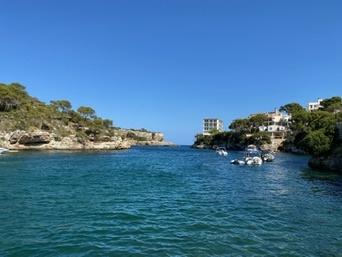
This dual approach means visitors can choose to experience the island’s highlights amidst lively summer crowds or enjoy a more tranquil, intimate connection with the local culture and nature in the off-season. Whether hopping on the TIB bus network for a day trip from Palma or relaxing on Cala Llombards beach, timing your visit can shape the kind of holiday you have deeply.
When the summer rush fades, especially in spring or late autumn, these same sites have a very different rhythm. With fewer tourists around, it’s easier to explore Alcudia’s old town or hike lesser-known trails near Deia without the usual bustle. Some venues use this quieter period to introduce special tours or workshops, such as olive oil tastings or traditional Mallorcan cooking classes featuring specialties like tumbet and sobrassada. Slightly reduced entrance prices or extended opening hours at museums and gardens also encourage visits during these shoulder months.
This dual approach means visitors can choose to experience the island’s highlights amidst lively summer crowds or enjoy a more tranquil, intimate connection with the local culture and nature in the off-season. Whether hopping on the TIB bus network for a day trip from Palma or relaxing on Cala Llombards beach, timing your visit can shape the kind of holiday you have deeply.
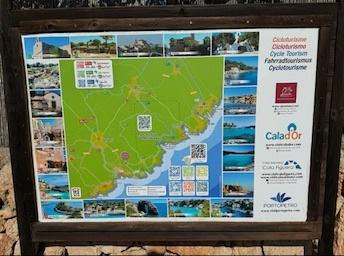
Cala Figuera
More Fotos