How do the rock formations in Mallorca compare to those in other Mediterranean locations?
Similar Topics
Mallorca rock formations
Tramuntana mountain range
Caves of Drach
Mediterranean landscapes
Amalfi Coast comparison
Santorini cliffs
coastal and mountainous terrains
hiking trails Mallorca
cultural experiences Mallorca
diverse ecosystems Mallorca
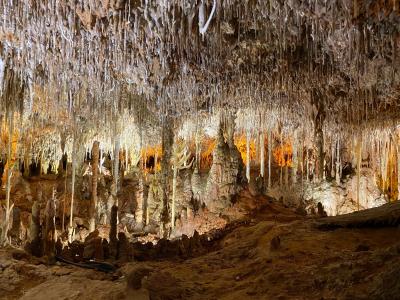
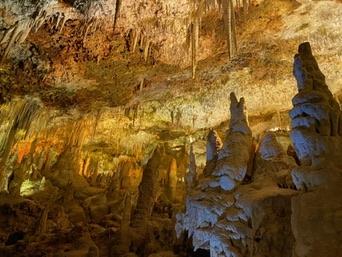
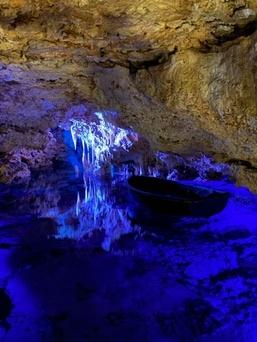
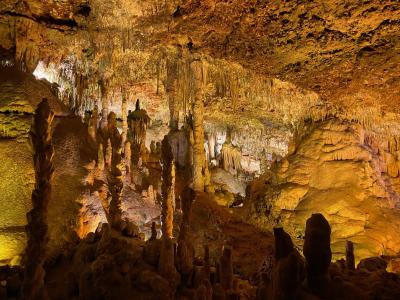
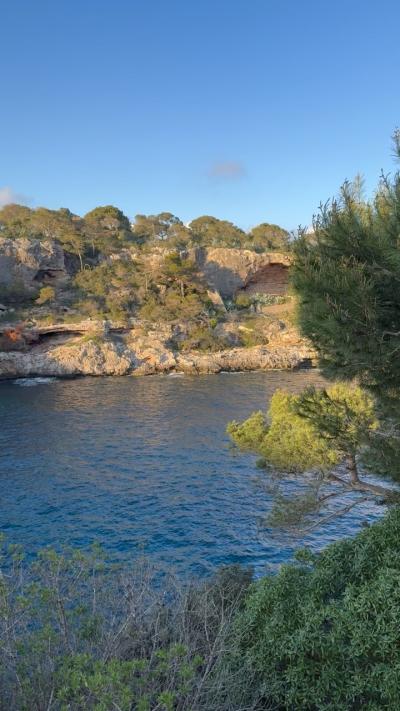
The rock formations in Mallorca are truly remarkable, characterized by their dramatic cliffs, hidden coves, and unique geological features. The Tramuntana mountain range, which runs along the northwest coast, showcases limestone cliffs that rise steeply from the sea, offering stunning views and a variety of hiking trails. These formations have been shaped over millions of years, resulting in a landscape that is both rugged and beautiful. The island’s iconic sea caves, such as the Caves of Drach, are also noteworthy, featuring impressive stalactites and stalagmites that draw visitors from around the world.
When compared to other Mediterranean locations, such as the Amalfi Coast in Italy or the cliffs of Santorini in Greece, Mallorca's rock formations present a distinctive blend of natural beauty and accessibility. The Amalfi Coast boasts steep, terraced cliffs adorned with picturesque villages, while Santorini is famous for its whitewashed buildings perched atop volcanic calderas. Mallorca, however, combines both coastal and mountainous terrains, allowing for a diverse range of exploration options, from tranquil beachside strolls to adventurous hikes in the mountains.
Moreover, the diverse ecosystems surrounding these rock formations in Mallorca, including lush pine forests and vibrant flora, add to the overall allure. While places like the Costa Brava in Spain offer rugged coastlines and hidden beaches, Mallorca’s formations often serve as a backdrop for rich cultural experiences, such as ancient stone villages and historic sites. Ultimately, each Mediterranean location has its own charm, but Mallorca's blend of natural beauty, geological diversity, and cultural richness makes its rock formations uniquely captivating.
When compared to other Mediterranean locations, such as the Amalfi Coast in Italy or the cliffs of Santorini in Greece, Mallorca's rock formations present a distinctive blend of natural beauty and accessibility. The Amalfi Coast boasts steep, terraced cliffs adorned with picturesque villages, while Santorini is famous for its whitewashed buildings perched atop volcanic calderas. Mallorca, however, combines both coastal and mountainous terrains, allowing for a diverse range of exploration options, from tranquil beachside strolls to adventurous hikes in the mountains.
Moreover, the diverse ecosystems surrounding these rock formations in Mallorca, including lush pine forests and vibrant flora, add to the overall allure. While places like the Costa Brava in Spain offer rugged coastlines and hidden beaches, Mallorca’s formations often serve as a backdrop for rich cultural experiences, such as ancient stone villages and historic sites. Ultimately, each Mediterranean location has its own charm, but Mallorca's blend of natural beauty, geological diversity, and cultural richness makes its rock formations uniquely captivating.

More Fotos