How do locals in Palma and surrounding Mallorca towns feel about tourists speaking English?
Similar Topics
speaking english mallorca
palma locals
mallorcan language
soller tourism
mallorcan culture
local respect
mallorca festivals
mallorca communication
Visitors often assume that speaking English will automatically open doors everywhere on the island, but the reality is a bit more nuanced. In Palma, the capital, as well as popular towns like Soller and Alcudia, many locals involved in tourism—hotel staff, restaurateurs, and shopkeepers—do speak English quite well, making communication straightforward. The island’s thriving visitor trade means English is widely understood in these areas, especially along the Ma-19 coastal road and around beaches like Cala Mondrago or Formentor.
Outside the main tourist hubs, such as in Valldemossa or Deia, English may be less fluent, with locals often preferring Catalan or Spanish. Here, visitors who make the effort to learn a few basic Mallorquí phrases—like "Bon dia" (good morning) or "Gràcies" (thank you)—often find a warmer welcome. It shows respect for the local culture and is usually met with enthusiasm, sometimes sparking conversations about traditional dishes like pa amb oli or events like the Festa de l'Ametler.
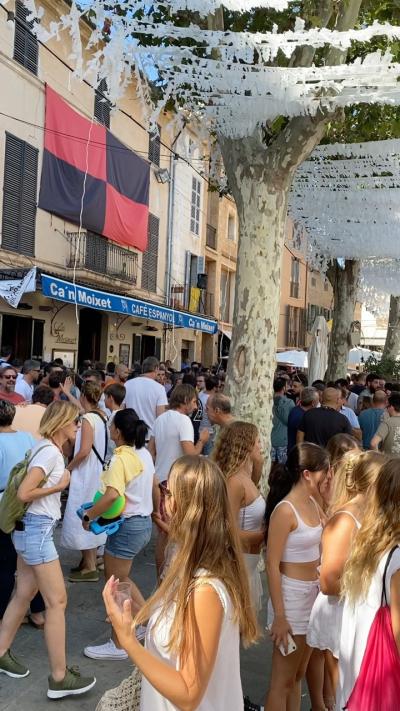
Many residents appreciate when tourists step beyond English and engage with the island on a deeper level, whether through sampling local binissalem wines or joining in village festivals. Even on the TIB bus network or the historic Soller train, a friendly "hola" or "bona tarda" can set the tone. Embracing some Mallorcan language or customs beyond the resort bubble enriches the experience and leaves a positive impression long after your trip.
Outside the main tourist hubs, such as in Valldemossa or Deia, English may be less fluent, with locals often preferring Catalan or Spanish. Here, visitors who make the effort to learn a few basic Mallorquí phrases—like "Bon dia" (good morning) or "Gràcies" (thank you)—often find a warmer welcome. It shows respect for the local culture and is usually met with enthusiasm, sometimes sparking conversations about traditional dishes like pa amb oli or events like the Festa de l'Ametler.
Many residents appreciate when tourists step beyond English and engage with the island on a deeper level, whether through sampling local binissalem wines or joining in village festivals. Even on the TIB bus network or the historic Soller train, a friendly "hola" or "bona tarda" can set the tone. Embracing some Mallorcan language or customs beyond the resort bubble enriches the experience and leaves a positive impression long after your trip.

Cala Figuera
More Fotos