How does the local climate influence the agriculture on Mallorca?
Similar Topics
Mallorca climate
agriculture Mallorca
Mediterranean climate
traditional crops
olive groves
grape harvesting
sustainable farming
citrus fruits
agricultural heritage
terraced farming
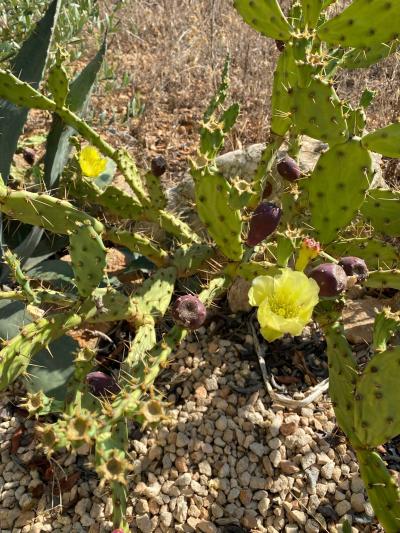
The local climate of Mallorca plays a significant role in shaping the island's agricultural practices, characterized by a Mediterranean climate that features warm, dry summers and mild, wetter winters. This climate is ideal for growing a variety of crops, as the long hours of sunshine during the summer months help to ripen fruits and vegetables. The dry conditions also reduce the risk of fungal diseases, allowing farmers to cultivate high-quality produce with less reliance on chemical treatments. Traditional crops, such as olives, almonds, and grapes, thrive in this environment, contributing to Mallorca’s rich agricultural heritage.
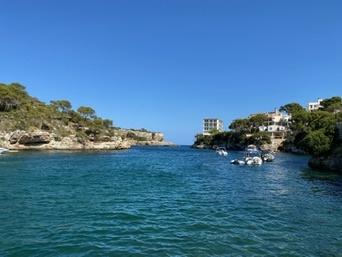
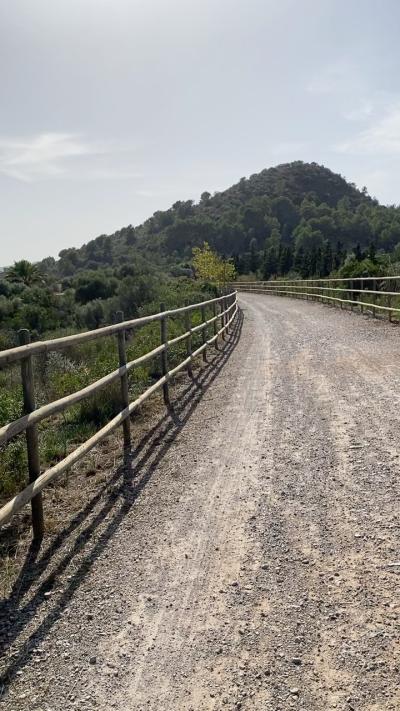
Moreover, the island's diverse microclimates, influenced by its varied topography, allow for a range of agricultural activities. In the coastal areas, the mild temperatures and fertile soil support the growth of citrus fruits and vegetables, while the hilly inland regions are perfect for vineyards and olive groves. Farmers have adapted their practices over generations to take advantage of these climatic nuances, often employing traditional methods that promote sustainability and preserve the landscape. The use of terraced farming in the mountainous areas exemplifies how locals have ingeniously utilized the terrain to maximize agricultural output while minimizing erosion.
The climate also affects the timing of the agricultural calendar, with seasons dictating when certain crops are planted and harvested. For example, the dry summer months are crucial for grape harvesting, which is celebrated with local festivals that showcase the island's wine culture. Additionally, the occasional rain during the winter months replenishes the soil, ensuring that crops can thrive in the spring. As visitors explore Mallorca, they will undoubtedly notice the lush fields and orchards, a testament to the island’s harmonious balance between its climate and agricultural bounty.
Moreover, the island's diverse microclimates, influenced by its varied topography, allow for a range of agricultural activities. In the coastal areas, the mild temperatures and fertile soil support the growth of citrus fruits and vegetables, while the hilly inland regions are perfect for vineyards and olive groves. Farmers have adapted their practices over generations to take advantage of these climatic nuances, often employing traditional methods that promote sustainability and preserve the landscape. The use of terraced farming in the mountainous areas exemplifies how locals have ingeniously utilized the terrain to maximize agricultural output while minimizing erosion.
The climate also affects the timing of the agricultural calendar, with seasons dictating when certain crops are planted and harvested. For example, the dry summer months are crucial for grape harvesting, which is celebrated with local festivals that showcase the island's wine culture. Additionally, the occasional rain during the winter months replenishes the soil, ensuring that crops can thrive in the spring. As visitors explore Mallorca, they will undoubtedly notice the lush fields and orchards, a testament to the island’s harmonious balance between its climate and agricultural bounty.
More Fotos