How did the Romans influence the development of Mallorca?
Similar Topics
Roman influence Mallorca
Mallorca history
ancient Roman ruins
Palma Mallorca
Pollentia archaeological site
Alcúdia amphitheater
Mallorca agriculture
Mediterranean trade
Mallorca cultural heritage
Roman architecture Mallorca
The Romans had a profound impact on the development of Mallorca, shaping its infrastructure, economy, and culture in ways that are still evident today. After their conquest of the island in 123 BC, they established it as an important outpost in the Mediterranean, known as "Palmaria." They introduced advanced agricultural techniques, including sophisticated irrigation systems that allowed for the cultivation of crops like olives and grapes, which remain staples of the island's economy and cuisine. The remnants of these agricultural practices can still be seen in the terraced landscapes and traditional fincas scattered throughout the countryside.
Roman influence extended beyond agriculture; they also constructed roads, bridges, and towns that laid the groundwork for future urban development. The ancient capital, Palma, became a vibrant center of trade and commerce, connecting Mallorca to other parts of the empire. Ruins of Roman villas, baths, and other structures can be found throughout the island, offering a glimpse into their architectural prowess and daily life. The presence of Roman mosaics and pottery in archaeological sites highlights the cultural exchange that occurred during this period, enriching the island's artistic heritage.
As you explore Mallorca today, you can visit sites like the Roman ruins in Pollentia and the impressive amphitheater in the ancient town of Alcúdia, which serve as reminders of the island's storied past. The blend of Roman influence with subsequent cultures has created a unique historical tapestry that adds to the allure of Mallorca. This rich heritage is not only a point of pride for locals but also a captivating aspect for visitors seeking to understand the island's evolution over the centuries.
Roman influence extended beyond agriculture; they also constructed roads, bridges, and towns that laid the groundwork for future urban development. The ancient capital, Palma, became a vibrant center of trade and commerce, connecting Mallorca to other parts of the empire. Ruins of Roman villas, baths, and other structures can be found throughout the island, offering a glimpse into their architectural prowess and daily life. The presence of Roman mosaics and pottery in archaeological sites highlights the cultural exchange that occurred during this period, enriching the island's artistic heritage.
As you explore Mallorca today, you can visit sites like the Roman ruins in Pollentia and the impressive amphitheater in the ancient town of Alcúdia, which serve as reminders of the island's storied past. The blend of Roman influence with subsequent cultures has created a unique historical tapestry that adds to the allure of Mallorca. This rich heritage is not only a point of pride for locals but also a captivating aspect for visitors seeking to understand the island's evolution over the centuries.
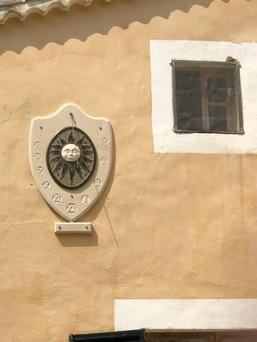
Esporles
More Fotos