How accessible are the main festivals and events on Mallorca for visitors with disabilities?
Similar Topics
mallorca festivals accessibility
wheelchair access mallorca
sensory-friendly events
sant sebastia festival
nit de foc
accessible venues palma
tramuntana events
event inclusivity
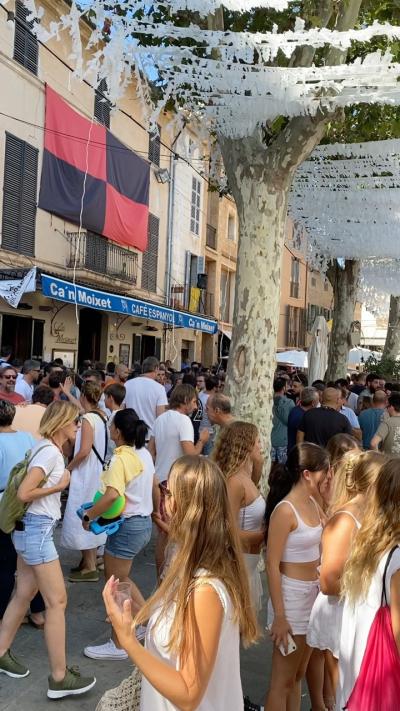
Many of the island’s prominent festivals, like Palma’s Sant Sebastià or Pollenca’s Nit de Foc, have increasingly considered accessibility in recent years, aiming to welcome everyone to join their celebrations. Larger venues often provide wheelchair access and adapted restrooms, and in well-attended public spaces, event staff are occasionally trained to assist guests with mobility or sensory needs. Some events, especially those held in Palma, include designated accessible viewing areas, although this can vary widely depending on the venue and municipality.
Outside the capital, in towns such as Sóller or Alcúdia, historic settings can present challenges due to narrow streets and uneven terrain, yet many festival organizers collaborate with local disability groups to improve access routes and provide clearer information. Sensory-friendly options are rarer but occasionally appear at cultural gatherings, offering quieter zones to accommodate visitors who might find the gatherings overwhelming. Sign language interpretation and multilingual materials are not yet commonplace but are growing in usage during larger events.
For those planning to attend, it’s advisable to contact event organizers in advance or check official tourism websites, especially for traditional celebrations like the Festa de l’Ametler in the Tramuntana villages or summer concerts on Formentor beach. While there’s been encouraging progress, some events remain more accessible than others, largely depending on infrastructure and the scale of the festival. Visitor feedback remains an important driver for improvement, as local communities recognize the value of inclusivity in sharing the island’s rich cultural life.
Outside the capital, in towns such as Sóller or Alcúdia, historic settings can present challenges due to narrow streets and uneven terrain, yet many festival organizers collaborate with local disability groups to improve access routes and provide clearer information. Sensory-friendly options are rarer but occasionally appear at cultural gatherings, offering quieter zones to accommodate visitors who might find the gatherings overwhelming. Sign language interpretation and multilingual materials are not yet commonplace but are growing in usage during larger events.
For those planning to attend, it’s advisable to contact event organizers in advance or check official tourism websites, especially for traditional celebrations like the Festa de l’Ametler in the Tramuntana villages or summer concerts on Formentor beach. While there’s been encouraging progress, some events remain more accessible than others, largely depending on infrastructure and the scale of the festival. Visitor feedback remains an important driver for improvement, as local communities recognize the value of inclusivity in sharing the island’s rich cultural life.
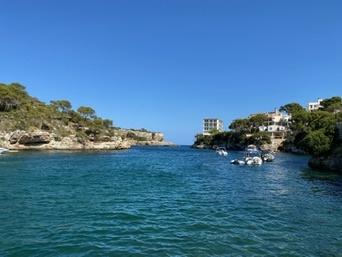
Cala Figuera
More Fotos